Therapeutic Management for Hip Fracture Recovery: Regaining Mobility and Independence
Hip fracture can be a challenging and life-altering event, especially for
older adults. The recovery process requires careful rehabilitation to regain
mobility, strength, and independence. Physiotherapy plays a crucial role in
guiding individuals through this journey, helping them restore function and
improve their quality of life. 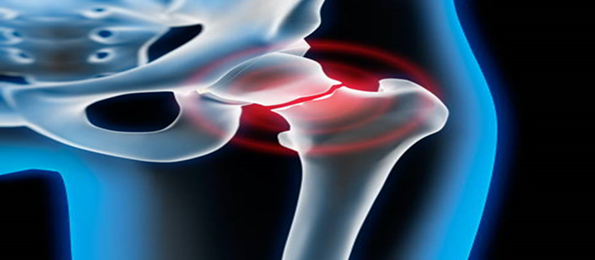
Figure 1. Hip Fracture
A
severe impact, such as a car crash, can cause hip fractures in people of all
ages. In older adults, a hip fracture is most often a result of a fall from a
standing height. In people with very weak bones, a hip fracture can occur
simply by standing on the leg and twisting.
It
has been estimated that 1 in 3 women and 1 in 12 men will sustain a hip
fracture in their lifetime. It has been reported that 86% of hip fractures
occur in individuals aged 65 years and older.
After
a hip fracture, physiotherapy interventions are essential to promote healing,
prevent complications, and facilitate a successful recovery. The role of
physiotherapist to evaluate patient condition medical history and functional
abilities initially a physiotherapist uses various technique to assist the
patient and manage the pain. Physiotherapy plays a crucial role in the
management of hip fractures, aiding in the recovery process and helping
patients regain their mobility and independence. In the initial stages of
rehabilitation, the primary focus is on pain management and preventing
complications such as blood clots and joint stiffness. In the initial stages of
rehabilitation, the primary focus is on pain management and preventing
complications such as blood clots and joint stiffness.
Early
Mobilization assists patients in safely transitioning from bed to sitting and
standing positions, gradually progressing to walking with assistive devices
like crutches or walkers. Later on physiotherapists start Strengthening and
Balancing exercises which help to rebuild muscle strength in the legs, hips,
and core also enhance overall balance and stability. Walking after a hip
fracture may require adjustments in technique. They may teach proper foot
placement, weight distribution, and stride length to minimize stress on the
healing hip. 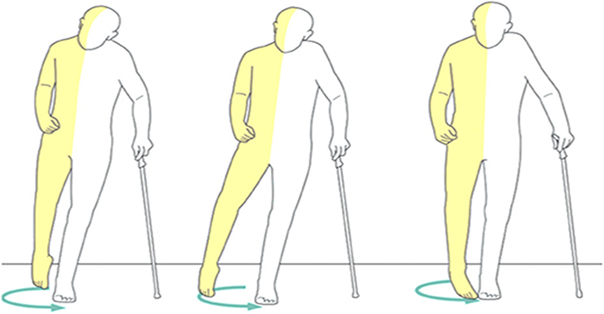
Figure 2. Walking with
cane on contralateral side
A
hip fracture can be repaired with the help of metal screws, plates and rods. In
some cases, artificial replacements (prostheses) of parts of the hip joint may
be necessary. Surgeons may recommend a full or partial hip replacement if the
blood supply to the ball part of the hip joint was damaged during the fracture.
That type of injury, which occurs most often in older people with femoral neck
fractures, means the bone is less likely to heal properly.