To Treat or Not to Treat: A Twist in Paxlovid-Induced Liver Injury Amidst Severe Fatty Liver Disease
Introduction
Paxlovid,
a combination of nirmatrelvir and ritonavir, has emerged as a critical
therapeutic option for the treatment
of COVID-19, particularly in high-risk patients.
Its efficacy in reducing viral load and preventing severe outcomes has
been well-documented, leading to widespread use during the pandemic1. However, the drug’s
interaction profile and potential adverse effects, especially in patients with
pre-existing liver or kidney
disease, pose significant challenges2. Ritonavir, a component of Paxlovid,
is a potent inhibitor of the cytochrome P450 3A4 (CYP3A4) enzyme, which can
lead to increased plasma levels of co-administered drugs and potential
hepatotoxicity3.
While
there is substantial information on Paxlovid's interactions with other
medications and its contraindications, the literature on Paxlovid-induced liver
injury is relatively sparse. This lack of data is concerning, given the drug’s
extensive use and the high prevalence of liver disease in the population, including conditions such as non-alcoholic fatty liver disease (NAFLD)
and alcoholic liver disease. Understanding the risk factors and mechanisms of
liver injury in patients taking Paxlovid is crucial for healthcare providers to
make informed treatment decisions.
This
case report details the clinical course of a 41-year-old male with severe fatty
liver disease and a recent history of pancreatitis who developed liver injury
following the administration of Paxlovid
for mild COVID-19.
The case highlights the complexities and potential risks associated with
prescribing Paxlovid in patients with pre-existing liver conditions and
underscores the need for careful patient selection and monitoring. This report
aims to contribute to the growing body of evidence on Paxlovid-induced liver
injury and provide insights that may guide clinicians in managing similar cases
(Figure 1).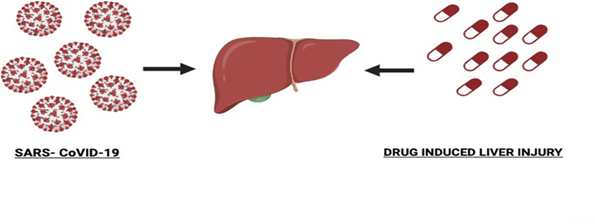
Figure 1: Mechanisms and Manifestations of Liver Injury
Induced by Drugs
and COVID-19
Case presentation
History
and initial presentation
A 41-year-old male with a significant medical
history of severe fatty liver disease, recent pancreatitis, diverticulosis, and
gastroesophageal reflux disease (GERD) presented to the emergency department
(ED) with complaints of abdominal pain. This pain, which initially was moderate in intensity and radiated to the back,
began two weeks
prior to his ED
visit. During this period, he experienced bouts of nausea and discomfort that progressively worsened.
Upon
his initial presentation two weeks earlier, he was diagnosed with severe fatty
liver disease and pancreatitis, conditions that were contributing to his
abdominal pain and other symptoms. His treatment at that time included medications to manage nausea and
pain, which provided temporary relief. He was advised to follow up with his
primary care provider for further management of his fatty liver disease and
pancreatitis. Despite these
recommendations, his symptoms persisted and worsened over the next week.
Development
of liver injury
Approximately
one week after the initial episode, the patient contracted a mild case of
COVID-19. Given his underlying conditions and the potential for severe
outcomes, he was prescribed Paxlovid.
After three days of Paxlovid
treatment, he began experiencing
worsening abdominal pain, leading him to discontinue the medication and seek
medical attention at the ED. He reported persistent epigastric pain, a poor
appetite, and a general sense
of malaise. Notably,
he did not identify any specific factors
that alleviated or aggravated
his pain.
Clinical
examination and investigations
Upon
evaluation in the ED, the patient's vital signs were as follows:
· Blood
Pressure (BP): 136/66 mmHg
· Heart
Rate (HR): 98 beats per minute
· Respiratory
Rate (RR): 17 breaths per minute
· Temperature (T): 97.6°F
Laboratory
results were notable for the following:
· Sodium
(Na): 131 mmol/L
· Potassium
(K): 4.5 mmol/L
· Glucose:
122 mg/dL
· Blood
Urea Nitrogen (BUN): 46.0 mg/dL
· Creatinine
(Cr): 4.80 mg/dL
· Alanine Aminotransferase (ALT): 48 U/L
· Aspartate
Aminotransferase (AST): 90 U/L
· Alkaline
Phosphatase (Alk Phos): 907 U/L
· Lipase:
160 U/L
· Total Bilirubin
(T-bili): 7.8 mg/dL
· White
Blood Cell Count (WBC): 16.7 x 10^9/L
· Hemoglobin
(Hgb): 13.2 g/dL
· Platelets
(Plt): 271 x 10^9/L
· Lactate:
1.3 mmol/L
Imaging
studies, including a CT scan of the abdomen and pelvis, revealed
hepatosplenomegaly and hepatic
steatosis. Physical examination findings included right upper quadrant tenderness,
jaundice, and abdominal distention. The liver edge was palpable below the
costal margin, indicating hepatomegaly.
Hospital Course
The patient was admitted for further evaluation and management. During his hospital stay, he was diagnosed with acute kidney injury (AKI), which was managed effectively with intravenous (IV) fluids, resulting in a prompt and appropriate response. A gallbladder ultrasound was performed, which showed no remarkable findings.
Additionally, a consultation with General Surgery did not reveal any surgical pathology.
Further imaging with magnetic resonance cholangiopancreatography (MRCP) and a hepatobiliary iminodiacetic acid (HIDA) scan revealed intrahepatic biliary stasis, suggesting a cholestatic component to his liver injury. Extensive laboratory workups, including tests for viral hepatitis and autoimmune liver diseases, returned negative results.
Despite ongoing therapy with IV ceftriaxone and metronidazole, his liver function tests (LFTs) continued to rise, indicating a worsening hepatic injury. A Gastroenterology consultation was sought, which suggested that the liver injury was likely drug-induced, attributed to the recent use of Paxlovid. N-acetylcysteine, an antidote for acetaminophen toxicity with potential benefits in other forms of drug-induced liver injury, was recommended and administered.
Over the next three days, the patient’s LFTs showed significant improvement, his jaundice resolved, and his abdominal pain subsided. He was discharged in stable condition with a scheduled follow-up appointment with Gastroenterology.
Discussion
This case underscores a potential Paxlovid-induced liver injury in a patient with pre-existing liver disease. While Paxlovid is crucial for managing COVID-19, its use in patients with liver disease necessitates careful consideration. The patient’s marked improvement after discontinuing Paxlovid and starting N-acetylcysteine supports the hypothesis of drug-induced liver injury. Given Paxlovid's known interactions and warnings, particularly in those with liver disease, this case emphasizes the need for vigilant monitoring and comprehensive assessment of patient history before prescribing.
Literature review and context
Paxlovid, a combination of nirmatrelvir and ritonavir, is primarily metabolized in the liver. Ritonavir, a strong inhibitor of cytochrome P450 3A4 (CYP3A4), can significantly increase the plasma levels of co-administered drugs, potentially leading to hepatotoxicity. Existing literature on Paxlovid-induced liver injury is sparse, but case reports and pharmacovigilance data indicate a possible risk, particularly in individuals with underlying liver conditions.
Conclusion
The prescription of Paxlovid in patients with pre-existing liver disease demands meticulous evaluation due to the potential risk of liver toxicity. This case highlights the importance of balancing the therapeutic benefits of COVID-19 treatment against the risks of exacerbating underlying liver conditions. Healthcare providers should consider alternative treatments and closely monitor liver function when Paxlovid is necessary.
Further research is imperative to elucidate the mechanisms of Paxlovid-induced liver injury and to formulate clearer guidelines for its use in patients with liver disease (Table 1).
Table 1: Adverse effects and mechanisms associated with drug-induced liver and pancreatic injuries
|
Type of Injury/Side Effect |
Description |
Mechanism |
References |
|
Hepatotoxicity |
Elevated
liver enzymes (ALT, AST), jaundice, hepatic steatosis |
Inhibition
of CYP3A4 by ritonavir leads to increased plasma levels of co-administered
drugs |
FDA;
NIH |
|
Acute
Liver Injury |
Sudden
onset of liver damage resulting in jaundice, elevated bilirubin, and hepatic
failure |
Direct
hepatotoxic effect and enhanced drug-drug interactions |
FDA;
NIH; Journal of Hepatology (2020) |
|
Cholestasis |
Impairment
of bile flow leading to jaundice and elevated alkaline phosphatase |
Drug-induced
damage to bile ducts or bile transport mechanisms |
NIH |
|
Pancreatitis |
Inflammation
of the pancreas causes abdominal pain, nausea, and elevated lipase/amylase
levels |
Drug-induced
pancreatic injury, possibly through toxic metabolites |
FDA |
|
Nause
a |
Sensation
of stomach discomfort and urge to vomit |
Gastrointestinal
irritation or central nervous system effects |
FDA |
|
Diarrhea |
Increased
frequency of loose or liquid bowel movements |
Gastrointestinal
irritation and alteration of gut microbiota |
FDA |
|
Abdominal
Pain |
Discomfort
or pain in the abdominal region |
Gastrointestinal
irritation or inflammation |
FDA |
|
Vomiting |
Forceful
expulsion of stomach contents |
Gastrointestinal
irritation and central nervous system effects |
FDA |
|
Hepatic
Steatosis |
Accumulation
of fat in liver cells |
Metabolic
effects of drug and inhibition of lipid metabolism pathways |
NIH |
|
Hyperbilirubinemia |
Elevated
bilirubin levels cause jaundice |
Impairment
of bilirubin metabolism and excretion |
NIH |
|
Hepatomegaly |
Enlarged
liver |
Chronic
liver disease exacerbation due to drug-induced hepatotoxicity |
NIH |
|
Gastroesophageal
Reflux |
Backflow
of stomach acid into the esophagus causes heartburn |
Gastrointestinal
irritation and relaxation of the lower esophageal sphincter |
FDA |
Monitoring and management strategies
The case underscores the importance of vigilant
monitoring and comprehensive assessment of patient
history before prescribing Paxlovid, especially in individuals with pre-existing liver disease. Key
strategies for managing such
patients include: 1. Baseline Liver Function Assessment: Before initiating Paxlovid, a thorough assessment of liver function should be performed, including baseline LFTs and imaging studies if necessary. This helps establish a reference point for monitoring potential drug-induced changes.
2. Risk-Benefit Analysis: The decision to prescribe Paxlovid should involve a careful risk-benefit analysis, considering the severity of COVID-19, the patient’s liver function status, and the availability of alternative treatments.
3. Close Monitoring: During Paxlovid treatment, patients with liver disease should be closely monitored for signs of hepatotoxicity. Regular LFTs and clinical assessments are essential to detect early signs of liver injury.
4. Prompt Intervention: If signs of liver injury are detected, prompt discontinuation of Paxlovid and initiation of supportive care, including NAC, should be considered. Early intervention can significantly improve outcomes.
References
1. Food and Drug Administration. (edn). Paxlovid (nirmatrelvir and ritonavir) drug interactions.
2. National Institutes of Health. LiverTox: Clinical and research information on drug-induced liver injury. 2023.
3. Journal of Hepatology. Case reports and literature review on drug-induced liver injury. J Hepatol 2020;72(1):202-210.