Bridging the Gap from Tactical to Strategic: A Program Manager Roadmap to Chief-of-Staff
Abstract
The Chief of Staff (CoS) role has emerged as a
strategic career path for Program Managers seeking to elevate their impact and influence within organizations. This article explores
the Program Manager's journey to executive leadership through the lens of the CoS role, examining the key
responsibilities, skills, and mindset required for success. By leveraging their
expertise in strategic thinking, stakeholder management, and effective
communication, Program Managers can successfully transition into the CoS role
and drive organizational alignment and success. The article provides insights
into the challenges and opportunities of the CoS position, offering guidance
for Program Managers looking to make a lasting impact on their organizations
and advance their careers to the executive level.
Keywords: Chief of staff,
Program manager, Executive leadership, Strategic thinking,
Stakeholder management, communication, Organizational alignment,
Career advancement, Leadership skills, Strategic partnership, Growth mindset
1. Introduction
Organizations
are increasingly recognizing the value of strategic leadership and the critical
role that Program Managers play in driving successful outcomes. As Program
Managers navigate their career trajectories, many aspire to elevate their
impact and influence, seeking opportunities to shape organizational strategy
and contribute to executive decision-making. One increasingly popular career
path for experienced PMs is transitioning into the role of a Chief of Staff
(CoS).
Traditionally
associated with political and military contexts, the Chief of Staff role has
become increasingly prevalent in the corporate world, particularly in the
technology industry. According to a survey conducted on the Chief of Staff
Network, the number of CoS positions in the United States has grown by over 50%
in the past decade1.
The CoS role
serves as a strategic partner to executive leadership, bridging the gap between
high-level vision and operational execution. For Program Managers,
transitioning into a Chief of Staff position represents a unique opportunity to apply their skills
and expertise in a more strategic capacity, influencing organizational
direction and driving transformative change.
However, the
path from Program Manager to Chief of Staff is
not always straightforward. It requires a shift in mindset, a broadening of skill sets, and a deep
understanding of the strategic context in which the organization operates. Program Managers must learn to navigate complex stakeholder
relationships, communicate effectively with executive leadership, and align
program outcomes with overarching organizational goals.
In this article, we will explore
the Program Manager's path to executive
leadership through the lens of the Chief of Staff role. We will examine
the key competencies and experiences that position Program
Managers for success in this role, the challenges and opportunities that come
with the transition, and the strategies for effectively navigating the Chief of Staff
position to drive organizational impact. By understanding the
evolving landscape of the Chief of Staff role and the value that Program
Managers can bring to this position, readers
will gain insights into a compelling career path that offers the
potential for significant growth, influence, and strategic leadership. We will
also provide actionable insights and recommendations for aspiring and current
Chiefs of Staff looking to enhance their impact and value within their organizations.
2. Understanding the Chief
of Staff Role
The Chief of
Staff (CoS) role has emerged as a critical position in many organizations, serving as a strategic partner to executive leadership. The CoS acts as a right-hand person to the executive, providing support, guidance, and
oversight across various aspects of the organization1. The role encompasses a wide range of
responsibilities, including strategic planning, project management, stakeholder
engagement, and communication.
At its core,
the Chief of Staff role is designed to enhance the effectiveness of the executive and
ensure the successful execution of strategic initiatives. The CoS works closely
with the executive to align priorities, manage competing demands, and drive decision-making processes. They serve as a trusted advisor, offering insights and
recommendations based on a deep understanding of the organization's goals and challenges2.
2.1
Chief of Staff Role vs. Executive Assistant
Role
The Chief
of Staff (CoS)
and Executive Assistant (EA) roles are often
confused due to some overlapping responsibilities, but there are significant
differences between the two positions. The Key Differences between Chief of
Staff and Executive Assistant Roles:
2.1.1. Strategic Focus: The primary difference lies in the
strategic nature of the CoS role. While EAs primarily focus on administrative
tasks and managing the executive's day-to-day activities, the CoS takes on a
more strategic role, working closely with the executive to develop and
implement long-term strategies and initiatives.
2.1.2. Scope of Influence: The CoS has a broader scope of influence across the
organization. They often work cross-functionally, collaborating with various
departments and stakeholders to drive strategic projects and ensure alignment
with organizational goals. In contrast, EAs typically have a more limited
scope, primarily focusing
on supporting the executive and their immediate team4.
2.1.3. Decision-Making Authority: Chiefs of Staff often have more
decision-making authority compared to EAs. They are trusted advisors to the
executive and are empowered to make strategic decisions and recommendations on
behalf of the executive. EAs, on the other
hand, generally have limited
decision-making authority and primarily focus on facilitating the executive's
decision-making process.
2.1.4. Stakeholder Engagement: CoS roles involve extensive stakeholder
engagement, both internally and externally. They often represent the executive
in meetings, communicate with senior leaders and board members, and manage
relationships with key partners and clients. EAs, while they may interact with
stakeholders on behalf of the executive, typically have a more limited
engagement scope.
2.1.5. Leadership and team management:
Chiefs of Staff
frequently lead and manage teams, particularly for strategic initiatives or
special projects. They may have direct reports and are responsible for driving
team performance and outcomes. EAs, in most cases, do not have direct reports
and focus more on individual support to the executive.
While Chief
of Staff and Executive Assistant roles may share some similarities, the CoS role is
more strategic, has a broader scope of influence, and often involves
leadership and decision-making
responsibilities. Understanding these differences is crucial for organizations looking
to establish or hire for a Chief of Staff position,
ensuring clarity in expectations and optimal
placement within the organizational
structure.
2.2
Chief of Staff Network Leveling
Framework
The Chief of
Staff Network, a professional organization dedicated to supporting and
advancing the CoS role, has developed a leveling
framework that categorizes the position into
five distinct levels based on the scope of responsibility and strategic impact3.
The five levels are:
Level
1: Associate Level- The
CoS is works as a Business Operations Associate
with explicit direction from the principal and is
responsible for executing small projects. Generally, the Cos at Level 1 is not
involved in any strategic decisions which have an organization wide impact.
Level 2: Junior Manager- The CoS at Level 2 works with some independence with the focus being on taking the workload off the principal’s plate. The CoS managed small projects and is expected to implement strategic decisions made.
Level
3: Senior Manager- The CoS
at Level 3 is expected to expand Principal’s influence on cross functional
projects. The CoS provides inputs on strategic decisions and brings in strong
program management experience. Participates in OKR decisions for the principal’s
organization.
Level 4: Director Level - At Level 4, the CoS takes on a more strategic role, working closely
with the executive to develop and implement long-term vision and strategy. They are responsible for leading high-impact initiatives, managing cross-functional teams, and ensuring
alignment across the organization. The CoS acts as a Thought Leader for the
Principal and influences the Partner and the Partners’ vision across cross
functional stakeholders. The Cos also has a team reporting to then that
executes special projects for the principal.
Level
5: Executive Partner- Level
5 represents the highest level of the CoS role, where the individual serves as a true executive partner.
At this level, the CoS is deeply involved in shaping the
overall direction of the organization, providing strategic counsel to the
executive, and driving transformative change3.
 | |
Figure 1: Chief of Staff Leveling
Framework3
This article
focuses specifically on Level 4 and Level 5 Chief of Staff roles, which are
characterized by their significant strategic
influence and ability
to drive organizational change (Figure 1).
2.3.
Organizational chart placement
for chief of staff
The Chief of
Staff role typically reports directly to the executive they support, such as
the CEO, President, or other C-level leaders. In the organizational chart, the CoS position
is often placed in close proximity to the executive, reflecting their strategic partnership and direct reporting
line.
The specific
placement of the CoS role in the organizational chart can vary depending on the
organization's structure and the executive they support. In some cases,
the CoS may report to the
Chief Operating Officer (COO) or another senior executive, depending on the focus of their role and the organization's needs. The CoS may be
an Individual Contributor (IC) role or may have a team reporting
to the CoS that works on Strategic Initiatives (Figure 2).
Here's an
example of how the CoS role might fit into an organizational chart:

Figure 2: Sample org chart with a
chief of staff role
In this
example, the Chief of Staff reports directly to the VP of Operations and works
alongside other C-level executives. The CoS is considered at a
Director Level (Level 4) in this example and the CoS has a team reporting to him for strategic
initiatives or special projects.
2.4.
Critical Skills for a successful Chief of staff
To excel in the role of Chief of Staff (CoS),
individuals must possess a diverse set of skills that enable
them to navigate the complex landscape of organizational leadership. Here
are five critical skills that are essential for success in the CoS
role:
2.4.1. Developing strategic
vision: One of the primary responsibilities of a
Chief of Staff is to help shape and articulate the strategic vision of the
organization. This requires the ability to think strategically, anticipate
future challenges and opportunities, and align the organization's resources and
priorities accordingly1. The CoS must
work closely with their primary executive to define long-term goals, identify strategic
initiatives, and develop
actionable plans to achieve
those objectives.
As Eric Nehrlich, a Chief of Staff to VP of Products
at Google, explains, "In the fall, my VP and I were responsible for
figuring out the plan for the team for the next year. We would come up with
questions to elicit a multi-year vision for the team and deliver framing
materials such as metrics decks
to drive that discussion. I drove much of this process each year,
especially in framing the challenges that the team was facing in upcoming years. This would conclude with a leadership
offsite to discuss and agree upon the upcoming year’s strategy"5.
2.4.2. Leading tactical
operations: While the CoS role is primarily strategic in nature, it also
involves overseeing tactical operations to ensure the smooth functioning of the organization. The CoS must be
able to manage complex projects, monitor progress, and identify potential
roadblocks or issues5. They are responsible for coordinating
across different teams and departments, ensuring that everyone is working
towards common goals and objectives.
2.4.3.
Driving stakeholder communications:
Effective
communication is a critical skill for any Chief of Staff. The CoS must be able
to communicate effectively with a wide range of stakeholders, including
executives, employees, customers, and external partners6. The style of communication must be adapted
based on the audience and their priorities. When dealing with executives, the focus should
be on outcomes and how they
can contribute to the organization's success. At the operational level,
the CoS must be able to provide
a clear narrative of the work performed, analysis
conducted, and outcomes
achieved.
As Scott Amenta, who used to be CoS @Spring,
highlights: “One of the primary functions of a CoS, having developed strong
relationships with key stakeholders, is to be a conduit of information across
teams. This might take the form of developing company- wide OKRs and getting
buy-in and support for the processes or running point on cross-functional
projects that require 3 or more teams with no clear
leader. In both instances the CoS supports the
organization by freeing information bottlenecks, helping quickly growing teams
get visibility outside their functional silos”6.
2.4.4. Being a thought leader: The Chief of Staff serves as a thought leader and advisor to both the executive and the broader organization. They are expected
to have a deep understanding of the industry, market trends, and best practices, and to provide insights and recommendations
based on that knowledge5. The CoS
acts as a sounding board for the executive, offering objective opinions and
challenging assumptions when necessary. They also provide guidance
and mentorship to the
team, fostering a culture of innovation and continuous
improvement.
2.4.5. Prioritizing new initiatives: Finally, the Chief of Staff plays a critical role in
prioritizing and overseeing new initiatives that are important to the executive
but may not have clear ownership within the organization. The CoS must be able to assess the strategic importance
of these initiatives, allocate resources accordingly, and ensure their
successful execution7. This requires
strong project management skills, as well as the ability to navigate complex
organizational dynamics and competing priorities.
The role of
Chief of Staff demands a unique combination of strategic thinking, operational
expertise, effective communication, thought leadership, and initiative
management. By mastering these critical skills, CoS can effectively support
their primary executive, drive organizational
success, and position
themselves as invaluable assets to their organizations.
3. The Program
Manager's Journey to a Chief of
Staff
The journey
from Program Manager (PM) to Chief of Staff (CoS) is a natural
progression for many professionals seeking to expand their influence and impact within an organization. Program
Managers possess a unique set of skills and experiences that make them well-suited for the Chief
of Staff role.
For Program
Managers looking to transition into the role of Chief of Staff, the journey
requires a shift in mindset and a focus on developing key transferable skills.
While Program Managers possess a strong foundation in project management,
communication, and leadership, the Chief of Staff role demands a more strategic
and holistic approach to organizational success. Here are the top five
transferable skills that Program Managers should focus on when transitioning
into a CoS role:
1. Strategic Thinking: As a Chief of Staff, PM’s will be expected to think
strategically and contribute to the development of the organization's overall
strategy. This requires the ability to analyze complex business challenges,
identify opportunities for growth and improvement, and develop innovative
solutions that align with the organization's goals8.
Program Managers can leverage their experience in managing complex projects and
stakeholder relationships to develop a more strategic
mindset, focusing on the bigger picture and long-term objectives.
2. Adaptability: The Chief of Staff role requires a high degree of adaptability and resilience, as
they will be navigating a constantly evolving landscape of priorities,
challenges, and opportunities. Chief of Staff role requires the ability to adapt
to changing priorities and navigate ambiguity. Program Managers who are used to
working within defined project scopes and timelines must learn to be flexible
and comfortable with uncertainty. As a CoS, PMs will need to quickly assess new
situations, make decisions based on limited
information, and pivot
strategies as needed
to support the executive's
priorities9.
3. Influencing skills: Influencing without authority is a crucial skill for
a Chief of Staff. Program Managers often may have direct authority over project
teams, but as a CoS, they will need to
influence and persuade stakeholders across the organization, including those
at higher levels
of seniority. Developing
strong relationships, building trust, and communicating effectively are key to
influencing outcomes and driving alignment9.
4. Business Acumen: To be an effective Chief of Staff, PMs must have a deep understanding of the business
and industry in which your organization operates. Program Managers
should focus on expanding their knowledge of financial metrics, market
trends, and competitive landscapes. This business acumen will enable them to
provide valuable insights and recommendations to the executive team and
contribute to strategic decision-making11.
5. Emotional Intelligence: Emotional
intelligence is a critical
skill for a Chief of Staff, as the role involves managing complex relationships
and navigating sensitive political dynamics. Program Managers must develop
their self- awareness, empathy, and social skills to effectively engage with stakeholders, manage conflicts, and build consensus. As a CoS, you will need to be attuned to the emotional needs of
your executive and team, providing support and guidance to foster a positive
and productive work environment10.
In addition to
developing these transferable skills, Program Managers must also undergo a
mindset shift when transitioning into the Chief of Staff role. The CoS role
requires a more strategic and proactive approach,
rather than the reactive and
tactical focus of many Program Manager positions. As a Chief of Staff, PMs must
anticipate challenges, identify opportunities, and develop solutions that drive the organization forward. This requires
a willingness to take risks, challenge the status quo, and
think outside the box.
Moreover, the
Chief of Staff role demands a high level of diplomacy and political savvy.
Program Managers must shift
their mindset from being task-oriented to relationship- oriented, focusing on
building and maintaining strong relationships with key stakeholders across the
organization. This involves understanding the political landscape, navigating competing interests, and finding
common ground to drive
consensus and alignment (Figure 3).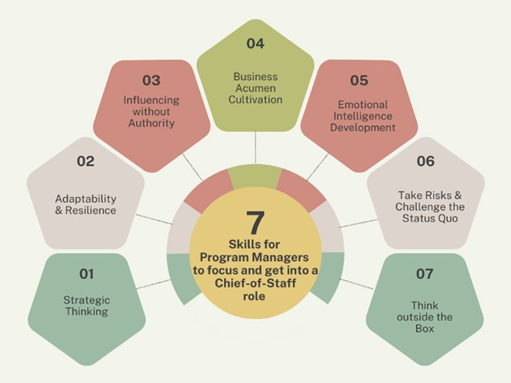
Figure 3: Skills for PMs to move into a CoS Role
The journey
from Program Manager to Chief of Staff is one of growth, adaptation, and skill development. By focusing on strategic thinking, adaptability,
influencing skills, business acumen, and emotional intelligence, Program
Managers can position themselves for success in the CoS role. Embracing
a proactive and relationship-oriented mindset, while leveraging their
project management expertise, will enable Program Managers to make a seamless transition and contribute to the success
of their organizations at the highest levels.
4. Conclusion
As
organizations navigate the complexities of strategic planning, operational
efficiency, and stakeholder management, the Chief
of Staff serves
as a vital link between executive leadership and the
broader organization. For Program Managers seeking
to elevate their careers and make
a more significant impact, the Chief of Staff role presents a compelling
opportunity to leverage their skills and experience in a new and challenging
capacity.
Program
Managers considering a transition to the Chief of Staff role, it is essential
to understand the unique challenges and opportunities that this position
presents. While many of the skills developed
as a Program Manager are transferable to the Chief of Staff role, there is also
a significant shift in mindset and approach required. Program Managers must
learn to think more strategically, communicate more influentially, and lead
with a broader perspective on the organization's goals and priorities.
To succeed
as a Chief of Staff,
Program Managers must focus
on developing key skills such as strategic thinking, stakeholder management,
communication and influence, problem-solving and decision-making, and
adaptability and resilience. They must also be proactive in seeking out new
learning opportunities and staying abreast of industry trends and best
practices.
The journey
from Program Manager to Chief of Staff is not always an easy one, but it can be
incredibly rewarding for those who are willing to embrace the challenge. As a Chief of
Staff, they have the opportunity to make a significant impact on their organization, working
closely with executive leadership to drive strategic initiatives and deliver
results. They also have the chance to grow and develop as a leader, building
new skills and expertise that can serve you throughout your career.
For organizations looking to establish or strengthen the Chief
of Staff role, it is important to recognize the value that this position can bring to the table.
By providing strategic
support and guidance to executive leadership, driving cross- functional
alignment and collaboration, and ensuring operational efficiency and
effectiveness, the Chief of Staff can help organizations navigate the complex
challenges of today's business landscape and achieve their goals.
As we look to
the future, it is clear that the role of the Chief of Staff will continue to
evolve and grow in importance. As organizations become more complex
and fast-paced, the need
for strategic leadership and effective coordination across functions will only become more
critical. For Program Managers who are up for the challenge, the Chief of Staff role represents an exciting opportunity to take their careers to the
next level and make a lasting impact on their organizations.
The journey
from Program Manager to Chief of Staff is one that requires dedication,
strategic thinking, and a commitment to continuous growth and development. It
is a path that offers
significant rewards, both in terms
of personal and professional
fulfillment, and in terms of the value and impact that individuals can bring to
their organizations. As the business world continues to evolve and change, the
role of the Chief of Staff will only become more critical, and those
who are able to successfully navigate this transition will be well-positioned
to lead their organizations into the future.
5. References
- Wilson E. The rise of the chief of staff in the
private sector. Spear’s 2023.
- Team Zippia. Get the Job You
Really Want. Zippia 2023.
- Chief of Staff. Chief of staff leveling framework.
Chief of staff network 2021.
- Ciampa D. The Case for a chief of staff. Harvard business review 2020.
- Nehrlich Eric. How To Be A Great
Chief Of Staff In Tech. Eric Nehrlich
2019.
- Team Meeting
Notes. How to Be a Great Chief of Staff (COS) at a Tech Company. Meeting Notes 2020.
- Network Chief of Staff. Is the
Chief of Staff Role Dead? Chief of Staff Network 2023.
- Dwoskin E. Silicon valley
firms are increasingly hiring chiefs of
staff- The Washington Post. The Washington Post 2016.
- Davidson J. Why we brought
on a chief of staff to chop dawg. Medium
2016.
- Casnocha B. 10,000 Hours with Reid Hoffman: What I Learned. Ben Casnocha 2021.
- Group, Sound Financial. Chief of Staff: The strategic partner who will revolutionize your organization. Medium 2016.