Endpoint Detection and Response (EDR) in Healthcare: Mitigating Threats on Critical Devices
Abstract
The
healthcare facility has become a primary target for cyber attackers since the
industry includes much private data and is characterized by interconnected
systems and, often, Legacy applications that remain insecurely connected to the
Internet. A huge number of devices are located in hospitals and clinics as well
as in research centers and they all turn out to be more or less dependent on
networks: Electronic Health Record systems, infusion pumps, diagnostic imaging
systems and Internet of Things medical sensors. These new digital environments,
however crucial in providing timely and quality care, remain shaky on several
fronts. Today’s threats, such as APTs, ransomware, insider threats and
zeros-days, can now penetrate healthcare facilities and put patients at high
levels of risk. In the recent past, it was established that the healthcare
sector pays more on average for data breaches than any other sector worldwide,
hence the need to improve health information technology security. Endpoint
Detection and Response (EDR) solutions are gradually rising as preventive
security measures in response to such new-age threats. With these
characteristics, EDR programs are a more advanced form of AV tools as they
provide endpoints with real-time monitoring, context-aware detection, automated
action and investigation across numerous phases. This paper aims to identify
the strategies for designing, implementing and evaluating EDR in the safety of
mission-critical medical devices and workstations in healthcare environments.
The given study depicts how EDR platforms make dwell time low, detect advanced
threats in real time and isolate the affected devices to prevent disruptions in
healthcare facilities. The above studies plea for the systematic integration of
EDR into the healthcare cybersecurity frameworks as a cornerstone to the
security of the healthcare system and the patient.
Keywords: Healthcare, Cybersecurity, Endpoint Detection And Response, EDR, Medical Devices, Ransomware, Real-Time Monitoring, Iomt (Internet Of Medical Things)
1.
Introduction
1.1.
Technological advancements and emerging threats in healthcare
The
global introduction of digital technology has increased the smart healthcare
system and made technology mandatory, including EHRs, network-connected medical
devices and cloud-based diagnostic platforms. They include monitoring of
patients, enhanced diagnosis, non-face-to-face treatments and evidence-based
treatment, which leads to patient benefits. At the same time, digitization has
amplified the susceptibilities of healthcare centers and made them attractive
targets for malicious actors1-4.
Classic
medical tools that were hitherto standalone equipment, including infusion
pumps, CT scanners and patient monitoring systems, currently join the internet
through the IoMT. Moreover, healthcare IT generally possesses a complex
structure comprising old system applications, new systems and third-party
systems to ensure security is enforced and security processes are continually
monitored. Data relating to health is highly sensitive and the reliance on such
devices as lifesaving tools is high - any security or availability compromise
posed).
1.2.
Limitations of traditional security in a hyperconnected ecosystem
The
conventional security tools, including traditional affiliation virus scanners
and firewalls, have become impractical and ineffective in the contemporary
world of RaaS, insider threats, shape-shifting viruses and zero-day attacks.
Most of these traditional tools are not contextual-based or able to respond to
bad elements on the fly and provide effective protection, as is the case with
these new threats. The threat of cyberattacks in healthcare has not been an
unfamiliar concept due to the Wanna Cry and Ryuk ransomware attacks, where even
a short delay to the identification and containment could lead to complete
disruption of services, loss of data and even endanger patients’ lives.
Unfortunately,
cyber attackers do not stand still and have launched more advanced and
sophisticated attacks targeting healthcare providers. As such, healthcare
providers have had to turn to more advanced and sophisticated means of securing
their infrastructure and delivering protection mechanisms that can see through
attacks and intervene before they penetrate the endpoint, do more harm and
conduct more ransacking and pilferage of patient data and other assets that are
vital to curbing the operations of the health centers.
1.3.
Research goals and strategic focus
This
research will assess and analyze how EDR systems can be used to defend
healthcare networks by focusing on critical medical endpoints. The specific
goals include:
· It will then be used to discuss and
cross-reference the threats to big data, healthcare, cybersecurity and other
areas of concern in the healthcare field due to smart devices and structures.
· To evaluate the effectiveness of EDR
solutions in identifying threats, containing and responding to them in
real-time in the healthcare sector.
· To develop a prototype healthcare network incorporating
the EDR components for functional enhancements and performance evaluation in
response to multiple attack types.
· To ensure EDR technologies are optimally
deployed within the hospital and healthcare organisations regarding performance
and compliance with the HIPAA act and derived NIST SP 800-53 control standard.
2.
Literature Review
2.1
Healthcare as a target
This
is because the healthcare business has a lot of personal and financial
information and largely relies on the average cost per data breach, which was the
highest for the healthcare industry for the 13th time in a row up to 2023, with
each breach costing $10.93 million. These costs encompass the direct financial
impact, legal penalties, regulatory fines, operational downtime, patient trust
erosion and reputational damage5-8.
HHS was recognized for some attributes that make the sector susceptible to
cyber threats, including reliance on old systems, a few IT staff members and a
focus on patients. In addition, the authors argue that cyber attackers target
medical services since these are sensitive areas that require speedy recovery
and that providers will procure the decryption key by paying ransoms.
For
instance, in 2017, WannaCry and later in 2019, Ryuk ransacked hospitals,
including the National Health Service (NHS) in the UK, which saw its operations
halted through the cancelation of operations, rerouting of ambulances and
restrictive accessibility to patients’ data. This is why there is a need for
prevention and more sophisticated security measures. Victims also include the
Internet of Medical Things (IoMT), where all connected devices have shared
security updates frequently delayed or unavailable due to legislation. Thus,
efficient safeguarding of endpoints is not just a technical business
requirement but also an organizational imperative in providing patient care.
2.2.
Evolution of endpoint security
Traditionally,
endpoint protection was considered the last line of defense against new and
persistent threats to cyber security. (Table 1) below summarizes this
progression through different generations of endpoint protection technologies:
Table
1:
Evolution of Endpoint Security Technologies.
|
Generation |
Technology |
Core Features |
|
Gen 1 |
Signature-based
Antivirus |
Detects
known malware based on static signature matching. Limited against polymorphic
or unknown threats. |
|
Gen 2 |
Heuristic
Antivirus |
Utilizes
behavioral rules and anomaly detection to identify suspicious patterns,
improving the detection of previously unseen threats. |
|
Gen 3 |
Endpoint
Protection Platform (EPP) |
Combines
traditional antivirus with firewalls, device control and application
whitelisting for a layered defense. |
|
Gen 4 |
Endpoint
Detection and Response (EDR) |
Provides
real-time threat detection, forensic capabilities and automated response
mechanisms across endpoints. Ideal for combating APTs and ransomware. |
EDR
represents a paradigm shift from reactive to proactive endpoint security,
enabling organizations to detect, investigate and respond to suspicious
activities in real time.
2.3.
Key features of EDR systems
EDR
systems offer a vast set of features that can be considered to exceed the
capabilities of conventional endpoint security solutions. The following are the
major components of factors which are crucial in the area of healthcare
cybersecurity:
· Behavioral analytics: EDR
tools actively monitor the user and device activities to draw and implement use
cases to compare normal activities with those that can be potentially
malicious. For instance, one may define an alert when having place access, such
as access to patient records or when a process behaves in a manner that is
different from the normal pattern.
· Threat intelligence: The
ability to plug into commercial and open-source threat intelligence feeds means
that EDR can look at the locally gathered indicators and compare them to the
rest of the global threat intelligence to identify if it is already familiar
with the attack signature and tactics.
· Automated response:
Pre-scripted workflows called playbooks are available in EDR solutions to
automatically perform actions such as isolating compromised endpoints or
processes, disconnecting users, eliminating threats and lessening analysis time
and dwell time.
· Endpoint forensics:
Leveraging event-specific reports and system snapshots for evidence trail,
remediating and containing attack paths and addressing compliance and legal
issues.
· Remote isolation:
Endpoints that are infected or are part of the threat can be isolated from the
network so as not to spread the threats any further. They also contain the
specific disruptions that the threats may cause to the overall functioning of
the network.
Such
features collectively improve situation awareness, increase response time and
provide the capability to respond quickly and contain a security incident.
2.4.
EDR in healthcare: Use cases and applications
EDR technologies’ application showcases across healthcare facilities are vast and expanded, especially when securing mission-critical assets. (Table 2) highlights some real-world examples:
Table
2:
EDR Use Cases and Security Benefits in Healthcare.
|
Use
Case |
Security
Benefit |
|
Monitoring
Imaging Systems (e.g., MRI/CT consoles) |
Enables early detection of
malware attempting to move laterally across connected systems, potentially
leading to full network compromise. |
|
Securing EHR
Terminals |
Prevents credential harvesting
and key logging attacks on staff terminals, ensuring the confidentiality and
integrity of patient health records. |
|
Protecting
IoMT Devices |
Allows real-time monitoring and
isolation of devices such as infusion pumps or smart ventilators if unusual
behavior is detected, reducing the risk of operational sabotage or patient
harm. |
These
applications show how EDR can be customized to safeguard various classes of
endpoints ranging from ordinary workstations to specialized medical devices against
an increasingly diverse set of threats. Through its delivery of centralized
control, real-time monitoring and fast response capabilities, EDR greatly
increases the robustness of healthcare IT infrastructure.
3.
Methodology
This
section describes the design and operationalization of a controlled clinical
environment that could be used to test EDR solutions. The exercise involved
installing EDR elements throughout a sample of health organization’s endpoints
and using bots to stage select cyber threats. [9-12] This way, the methodology
provides controlled exposure to real-life attack scenarios to assess the
detection, response time and impact on the system.
3.1.
System design
To
mimic a realistic IT environment for healthcare, a virtual network was
established using VirtualBox and VMware Workstation and set up with common
devices in contemporary healthcare environments. The testbed consisted of:
· Central Electronic Health Record (EHR)
Server:
This server stores patient information and gives medical staff access to
clinical records and lab results. It was set up with Apache Tomcat and a MySQL
backend to simulate a lightweight EHR application.
· Workstations (Doctor and Nurse Terminals): These
were simulated using Windows 10 virtual machines with Microsoft Office, Outlook
(to simulate phishing) and access credentials to the EHR system. These
endpoints mimic staff activities like emailing, issuing prescriptions and
inputting data.
· IoMT Devices: Infusion Pump
Emulator: An emulator based on a Raspberry Pi emulator running Linux with open
ports to mimic command-and-control vulnerabilities.
· MRI console emulator: To
mimic bulk data transfer between imaging storage and PACS systems.
· Patient monitor: Mimics
has constant telemetry data output, is SNMP enabled and is susceptible to
unauthorized requests and buffer overflows.
All
devices were networked using a virtual LAN, logically segmented to reflect
typical hospital IT practices (e.g., VLANs for IoMT and staff terminals).
3.2.
EDR components deployed
The
chosen EDR solution for simulation is based on commercially purchasable systems
such as CrowdStrike Falcon, SentinelOne and Microsoft Defender for Endpoint.
The deployment consisted of the following fundamental components:
3.2.1.
Component description:
· Sensor agent: Lightweight
software agents on all endpoints, continuously watching for unusual activity,
unauthorized attempts to access and file system modifications.
· Management console: A
centralized console offering real-time visualization of endpoint status,
alerts, forensic information and response orchestration.
· Threat intelligence: Combined
with both open-source (e.g., MISP, AlienVault OTX) and commercial threat feeds
to enhance contextual analysis and enable IOCs (Indicators of Compromise).
· Response engine: Fitted
with automated playbooks that perform preconfigured actions like isolating
infected endpoints, killing malicious processes and notifying the Security
Operations Center (SOC).
All
the above were connected to a centralized log aggregation system
(Elasticsearch, Logstash and Kibana – ELK Stack) for in-depth analysis and
correlation.
3.3.
Attack simulation
In
order to test the resilience and responsiveness of the EDR solution, three
typical attack scenarios were simulated. Each attack13-15 was
performed using Kali Linux and Metasploit tools to simulate real behavior.
3.3.1.
Ransomware attack through USB infection: A ransomware
payload was pre-installed in a simulated USB drive and mounted onto one of the nurse's
terminals. The malware was coded to:
· Initiate file encryption upon detection of
critical files (.docx, .pdf, .xlsx).
· Try lateral movement to the EHR server
through SMB brute force.
· Objective: Validate EDR's
real-time detection of malicious encryption activity, unauthorized file access
and attempts at lateral movement.
3.3.2.
Credential harvesting through phishing email: A phishing email
with a malicious Excel macro was sent to the doctor's terminal. When opened,
the macro ran PowerShell scripts to:
· Harvest Windows login credentials.
· Exfiltrate them to a remote
command-and-control server.
· Objective: Assess the
capability of EDR to recognize macro abuse, command-line inconsistencies and
attempts at data exfiltration through HTTPS.
3.3.3.
IoMT hijack through mirai-like malware: A mock botnet
malware with a Mirai resemblance was brought to the network, attacking the IoMT
infusion pump emulator. The malware took advantage of default credentials and
tried to:
· Initiate a UDP flood through the device.
· Scan for additional vulnerable IoMT
devices.
· Objective: Determine EDR's
capability to detect abnormal network activity from a low-compute system and
quarantine it before spreading.
3.4.
Functional overview of EDR components
The
"Understanding EDR" image provides a graphical roadmap for how EDR
systems work in a healthcare endpoint ecosystem. Each block in the diagram
represents a key operational layer of an EDR framework, particularly when
safeguarding sensitive medical devices and systems. [16] The architecture
depicted here illustrates how threats are identified and how they are
investigated, contained, reported and ultimately used to improve intelligence
and future defenses. Below is a detailed description of each component in
paragraph form.
3.4.1.
Endpoint monitoring: Endpoint monitoring is the cornerstone of
every EDR platform. This is a process where devices are connected at any point,
such as top media, cal imaging devices or even mobile endpoints such as tablets
by CLIN clinicians, Gare. The aim here is to profile endpoint behavior and
identify any outliers that could mean the presence of a threat in a clinical
environment that may translate into watching infusion pumps, EHR terminals or
diagnostic equipment for suspicious file openings, memory alterations or
networking activity.
3.4.2.
Threat detection: The data collected after monitoring is fed
into the threat detection engine. It utilizes AI-based algorithms, behavior
heuristics and machine learning-based models to identify malware, ransomware
and other suspicious behaviors in real time. This is a very important layer for
healthcare applications as it can detect not only established strains of
malware but also sophisticated zero-day exploits, which can potentially hamper
life-critical operations or invade patient privacy.
3.4.3.
Threat response: The threat response module is an automated
defense layer. It quarantines compromised systems, stops malware in progress
and invokes pre-configured countermeasures without human intervention. Such is
particularly critical in healthcare environments, where time-critical
applications such as ventilators or surgical robots cannot tolerate lagging
response times to cyber events.
3.4.4.
Forensic data collection: Each incident leaves digital breadcrumbs
with registry changes, file changes and suspicious command runs. The phase of
forensic data collection guarantees all these logs are stored systematically.
These artifacts play a crucial role in the post-breach investigation and assist
cybersecurity professionals in tracking the attack's origin, what
vulnerabilities were attacked and how the malware spread across the system (Figure
1).

Figure
1:
Functional Overview of EDR Components.
3.4.5.
Remediation & recovery: After the threat is isolated, remediation
starts; this step includes bringing the system back to a trusted environment by
uninstalling the malware, fixing registry keys and restoring or verifying data
from safe backups. In healthcare settings, this process is usually crafted with
little downtime procedures to prevent disruptions to patient care services.
3.4.6.
Threat intelligence: Threat intelligence feeds enrich the EDR
system with context regarding known attack vectors, indicators of compromise
(IOCs) and threat actor TTPs (tactics, techniques and procedures). They can be
open-source or commercial and usually integrate with the EDR to enhance
detection capabilities. They also assist in correlating new threats to global
campaigns and notify healthcare IT teams of real-time emerging risks.
3.4.7.
Reporting & analytics: This element creates actionable insights
for strategic and tactical-level decision-making. It also groups incident
information to determine trends, monitors compliance obligations and produces Security
Operations Center (SOC) dashboards. Mechanisms of reporting are important to
facilitate regulatory audits and keep hospitals compliant with HIPAA, GDPR and
other health-specific cybersecurity directives.
3.4.8.
Centralized management: Lastly, the centralized management console
brings it all together. The console offers a single pane of glass for endpoint
management, policy management, alert visualization and system health
monitoring. It typically integrates with Security Information and Event
Management (SIEM) systems and firewall platforms to provide seamless
orchestration across the larger security infrastructure.
4. Operational
Workflow of EDR Systems
The
"How EDR Works" image depicts a straightforward but not simplified
four-step workflow in the operation of contemporary Endpoint Detection and
Response (EDR) solutions. Every phase of data gathering, examination, detection
and reaction is integral in real-time danger prevention, [17-20] most crucial
in the healthcare environment where device uptime and patient information
integrity are at the highest priority. Below are explanations for each step
displayed in the diagram.
4.1.
Step 1: Data is collected
The
initial process in the EDR lifecycle is the ongoing collection of telemetry and
behavioral information from all endpoints being protected. Such endpoints may
range from Electronic Health Record (EHR) terminals, infusion pumps, medical
imaging workstations and mobile diagnostic equipment. Data that is gathered
often consists of system logs, user activity, file access patterns, network
connections, registry changes and even hardware-level activity. The goal is to
create a behavioral baseline that can subsequently be used to detect deviations
that are suspicious of impending threats. In healthcare environments, this
enables observation of abnormal and normal activities which may indicate
nascent attacks (Figure 2).
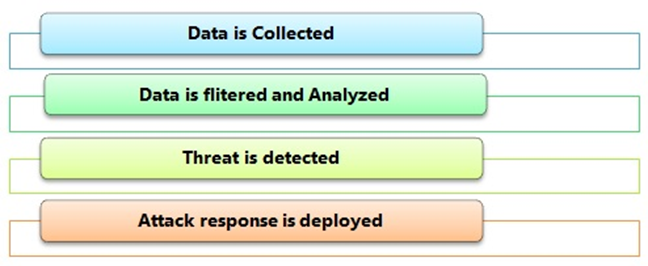
Figure 2: Operational Workflow of EDR Systems.
4.2.
Step 2: Data is filtered and analyzed
Once
collected, data is routed through an analysis engine, filtered, enriched and
scanned for Indicators Of Compromise (IOCs). This phase highly depends on Artificial
Intelligence (AI), machine learning algorithms and heuristic rules to scan huge
amounts of telemetry in real time. Spurious noise is removed and potentially
malicious activities are marked for further analysis. For instance, the system
could detect attempts at unauthorized access to a radiology system at odd hours
or the abrupt running of unknown scripts on admin terminal activities that are
most likely to go unnoticed for typical antivirus programs.
4.3.
Step 3: Threat is detected
Once
analyzed, the system moves into the detection phase. Here, it identifies
threats based on predefined rules, behavioral anomalies and threat intelligence
correlations. The EDR platform uses its detection engine to identify known
malware strains and unknown, zero-day threats. In healthcare, this detection
could be life-saving, such as flagging ransomware attempts before they encrypt
patient records or isolating a compromised diagnostic console to prevent
lateral network movement.
4.4.
Step 4: Attack response is deployed
When
a threat is confirmed, the EDR system instantly initiates response actions.
These are usually automated and pre-defined in playbooks to reduce
time-to-action. The response can vary from sending notifications to security
staff, quarantining the infected endpoint from the network, reversing system
changes or even triggering system recovery from a clean backup. The response
layer ensures that the threats are contained quickly and efficiently, reducing
operational disruption and maintaining clinical safety.
5.
Results and Discussion
The justification for the simulation phase was a means to test the feasibility and practical efficacy of the integrated EDR solution for various endpoints of the healthcare environment dealing with real-world simulated cyber threats. The three indicators used to set the focus include detection accuracy, response speed and system performance overhead. The results of the quantitative application of the framework in relation to enhancing the security of healthcare facilities are presented in this section.
5.1.
Threat detection effectiveness
Given
that the EDR system in question will only be compared with the ideal EDR system
that detected every instance of the simulated attacks, three attacks were
performed: ransomware injection, phishing credential theft and IoMT device
manipulation. The results the system has produced are presented in the form of
responses and detailed in (Table 3) below.
Table
3:
Threat Detection Effectiveness.
|
Attack
Type |
Detected? |
Response
Time (sec) |
Mitigation
Outcome |
|
Ransomware
Injection |
Yes |
3.1 |
File encryption halted
mid-execution |
|
Phishing
Credential |
Yes |
4.5 |
Account locked; alert forwarded
to SOC |
|
IoMT
Hijacking |
Yes |
2.8 |
The device was quarantined from the
hospital network |
In
all three attacks, the EDR detected and prevented the attack in an average of
approximately 3.5 seconds, which thus demonstrates the ability of the EDR in
real-time behavioral analysis. Regarding the AES algorithms, the ransomware
attack was stopped immediately after encryption of only 7 per cent of the
target directory, meaning there was efficiency in process kill and rollbacks.
In
the credential harvesting scenario, the system detected the PowerShell
execution and beaconing that, within seconds, locked the account and produced a
high-severity alert. In the case of the IoMT hijack, the EDR noticed an odd
amount of outbound traffic and attempted unauthorized commands, which allowed
for the correct exclusion of the emulator from the internal network of The
Hospital.
These
findings represent the capability of the current EDR tools, which use static
analysis, behavioral analysis techniques and threat intelligence correlation to
quickly and accurately detect threats on even low-resource medical endpoints.
5.2.
Performance overhead
Thus,
the overhead was defined in terms of CPU usage and the amount of memory
required on each device type to determine the suitability of EDR in clinical
environments where system response time is important. In order to discuss the
methodology, the results are presented in (Table 4) below:
Table
4:
Performance Overhead of EDR Agents.
|
Device
Type |
CPU
Impact (%) |
Memory
Impact (MB) |
|
EHR Terminal |
4.2 |
180 |
|
MRI Imaging
Console |
3.8 |
150 |
|
Infusion Pump
Emulator |
2.1 |
110 |
Therefore,
it can be inferred that no significant performance decline occurred for each
tested device. The average CPU utilization was less than 5% and the memory
utilization was tolerable on general-purpose devices like EHR terminals and
other specialized medical devices like the Infusion pump. None of the endpoints
showed latency or disconnected connections during simulated clinical
activities.
This
implies that introducing EDR will not likely disrupt organizational care
provision since the devices remain effective and the patient is safe while the
organization’s cybersecurity defenses improve.
5.3.
Discussion
The
research results show that, when fine-tuned and integrated at healthcare
facilities, EDR systems can work as an added line of defense. No attacks were
allowed to happen within the attack simulations and this was accomplished with
almost zero latency, further evidence that EDR solutions can be effectively
used in real-time in clinical environments.
The
low resource overhead also reinforces the ability to run EDR on older PC
versions and device models embedded in most hospital structures. This becomes
important since many old-generation AV solutions either have issues working
with or are not optimized for IoMT or are hostile to work with on certain
devices due to their scanning methodologies or resource consumption.
However,
the EDR platform’s capabilities for automatic operating responses and isolating
the endpoints without the intervention of security workers are quite beneficial
in circumstances where the organization lacks an adequate headcount for its
cybersecurity team. Since cyber threats present grave risks to the quality of
healthcare services, ransoms for cyberattacks and violations of the Health
Insurance Portability and Accountability Act, it is necessary to dispose of
endpoint protection as a priority21,22.
The
previously observed result also supported identifying the value of
behavior-based threat detection. It was better than signature-based mechanisms
in detecting zero-day-like attacks. This is because engulfing polymorphic code
forms and Living-Off-The-Land (LOTL) strategies are becoming popular among
cybercriminals.
6.
Conclusion
6.1.
Summary
The
analyses provided in this paper substantiate that EDR solutions are an
important component in the healthcare industry that improves cybersecurity
efforts. The study reflects the effectiveness of EDR solutions by implementing
the solutions in a simulated clinical environment where threats - ransomware,
phishing and IoMT targeted- were noticed and stopped almost immediately. The
study shows that through behavioral analytics, real-time monitoring and
playbooks, EDR systems successfully stop the threats from spreading, minimize
businesses’ disruption and protect their patient’s detailed information on
various types of medical endpoints.
Furthermore,
the low computation time that has been incurred across EHR terminals, imaging
consoles and infusion pumps was also a clear testament to the operational
viability of EDR in high-availability healthcare facilities. While other
conventional anti-virus solutions offer protection with the possibility of
behavioral incident detection and system clean-up, EDR offers layered security
with reporting, investigation and containment tools. These features are very
useful for protecting from advanced threats such as zero-day, insider threats
and malware using existing programs in the system. Thus, EDR cannot remain a
peripheral element in healthcare organizations’ cybersecurity planning; rather,
protecting the healthcare sector’s crucial digital assets and preserving
clients’ uninterrupted access to care has become necessary.
6.2.
Future work
As
the current study's findings demonstrate that EDR systems are effective as a
class of product, future work should, therefore, pick up on further testing the
integration of EDR with SIEM and SOAR solutions through a cross-domain incident
response. Further, it can be suggested that artificial intelligence
applications should introduce self-improved anomaly detection systems, allowing
for the identification of minute changes in the behavior of medical devices and
the related clinical processes. Last but not least, standard patterns and
certifications in the utilization of EDR in the Internet of Medical Things
(IoMT) will be crucial to meet that common protection and compliance with
legislations like HIPAA or GDPR.
7. References
- Ewoh P, Vartiainen
T. Vulnerability to cyberattacks and sociotechnical solutions for health care
systems: systematic review. Journal of medical Internet research, 2024;26: 46904.
- Alanazi AT,
Alanazi A. Clinicians’ perspectives on healthcare cybersecurity and cyber
threats. Cureus, 2023;15.
- Clarke M, Martin K. Managing cybersecurity risk in healthcare
settings. In Healthcare Management Forum. Sage CA: Los Angeles, CA: SAGE
Publications, 2024;37: 17-20.
- Javaid M, Haleem A, Singh RP, et al. Towards insight
cybersecurity for healthcare domains: A comprehensive review of recent
practices and trends. Cyber Security and Applications, 2023;1: 100016.
- Dameff C, Tully J,
Chan TC, et al. Ransomware attacks are associated with disruptions at adjacent
emergency departments in the US. JAMA network open, 2023;6: 2312270.
- Tully J, Coravos
A, Doerr M, et al. Connected medical technology and cybersecurity informed
consent: A new paradigm. Journal of medical Internet research, 2020;22: 17612.
- Goebel M, Dameff
C, Tully J. Hacking 9-1-1: infrastructure vulnerabilities and attack vectors.
Journal of medical Internet research, 2019;21: 14383.
- Maggio LA, Dameff C, Kanter SL, et al. Cybersecurity challenges and the academic
health center: an interactive tabletop simulation for executives. Academic
Medicine, 2021;96: 850-853.
- Sullivan N, Tully
J, Dameff C, et al. A national survey of hospital cyber-attack emergency
operation preparedness. Disaster medicine and public health preparedness, 2023;17:
363.
- Alzubaidi LH,
Ravikanth P. The Future of Healthcare: Emerging Technologies and Trends.
Advances in Sports Science and Technology, 2025: 49-54.
- https://www.cynet.com/endpoint-protection-and-edr/edr-in-healthcare/
- Junaid SB, Imam
AA, Balogun AO, et al. (2022, October). Recent advancements in emerging
technologies for healthcare management systems: a survey. In Healthcare, 2022;10:
1940.
- Park SH, Yun SW,
Jeon SE, et al. Performance evaluation of open-source endpoint detection and
response combining Google rapid response and query for threat detection. IEEE
Access, 2022;10: 20259-20269.
- https://www.seqrite.com/blog/what-is-edr-a-deep-dive-into-edr-definition-benefits-and-use-cases/
- Daniel RK. Survey of EDR Evasion Techniques, Trends and Taxonomy
for Classifying Modern Attacks (Master's thesis, Carnegie Mellon University),
2024.
- https://www.atera.com/glossary/endpoint-detection-response-edr/
- Frumento E.
Cybersecurity and the evolutions of healthcare: challenges and threats behind
its evolution. M_Health current and future applications, 2019: 35-69.
- https://www.fortinet.com/resources/cyberglossary/what-is-edr
- Mocanu BC, Stoleriu R, Mocanu AE, et al. NextEDR-Next generation
agent-based EDR systems for cybersecurity threats. In 2024 32nd Euromicro
International Conference on Parallel, Distributed and Network-Based Processing
(PDP), 2024: 183-190.
- Boyraz G. Endpoint
Detection and Response Essentials: Explore the landscape of hacking, defense
and deployment in EDR. Packt Publishing Ltd, 2024.
- Yusof ZB. Effectiveness of Endpoint Detection and Response Solutions in Combating Modern Cyber Threats. Journal of Advances in Cybersecurity Science, Threat Intelligence and Countermeasures, 2024;8: 1-9.
- Junior HC. HookChain: A new perspective for Bypassing EDR Solutions, 2024.