Next-Generation Workforce Planning: AI-Enabled Forecasting and Strategic HR in Mergers and Acquisitions
Abstract
Mergers and
acquisitions (M&A) remain among the most complex challenges in workforce
planning, as organizations must anticipate attrition risks, align talent across
diverse cultures and ensure compliance within multi-jurisdictional regulatory
frameworks. Traditional HR methods, which rely heavily on retrospective
reporting, often struggle with the scale and uncertainty of post-merger
integration, leading to costly workforce disruption and reduced synergy
realization. Advances in artificial intelligence (AI) and predictive analytics
now provide a transformative path forward. Oracle AI Cloud, with capabilities
such as Oracle Database 23AI, Fusion HCM Analytics and Workforce Modeling,
enables proactive forecasting, scenario simulation and evidence-based workforce
alignment. By embedding predictive intelligence directly into HR processes organizations
can achieve greater resilience, accelerate cultural integration and strengthen
value capture in M&A contexts. This paper situates Oracle’s innovations
within broader scholarly discourse on HR analytics and organizational
resilience, supported by industry reports and case studies, to demonstrate how
AI-enabled HR practices are reshaping strategic success in the M&A
lifecycle.
Keywords: Mergers
and acquisitions (M&A) oracle AI Cloud, predictive analytics, HR
transformation, post-merger synergy
1.Introduction
Human resource
management (HRM) has evolved dramatically over the past four decades,
transitioning from an administrative support function to a strategic driver of
organizational success. The early Human Resource Information Systems (HRIS) of
the 1980s were primarily designed for payroll automation and employee
record-keeping, offering efficiency gains but little capacity for strategic
workforce planning1. By the 2000s,
electronic HRM (e-HRM) platforms introduced online self-service features for
employees and managers, streamlining transactional processes such as leave
requests, performance reviews and benefits management2. While these systems improved accessibility,
they remained largely descriptive in nature, focusing on historical reporting
rather than predictive insights.
The 2010s marked a
turning point with the rise of cloud-based Human Capital Management (HCM)
suites, which integrated core HR functions with analytics, talent management
and global workforce planning. This evolution redefined HR as a strategic
partner, capable of contributing to evidence-based decision-making and
organizational competitiveness3. The
shift also coincided with growing globalization, workforce mobility and
heightened regulatory scrutiny, which underscored the limitations of reactive
HR models and increased demand for forward-looking, predictive solutions.
Today, advances in
artificial intelligence (AI) and machine learning are ushering in a new era of
HR transformation. AI-powered platforms extend the analytical capacity of HR by
detecting patterns in workforce behavior, forecasting attrition and simulating
the effects of interventions before they are implemented. These developments
are particularly critical in high-stakes scenarios such as mergers and
acquisitions (M&A), where talent alignment, cultural integration and
regulatory compliance determine the success or failure of post-merger synergy
realization. Traditional HR methods often falter under the scale and
uncertainty of M&A integration, leaving organizations vulnerable to
productivity losses and cultural misalignment.
Oracle AI Cloud
exemplifies this next-generation shift by embedding predictive analytics and
intelligent automation into the fabric of workforce management. Through
innovations such as Oracle Database 23AI, Fusion HCM Analytics and Workforce
Modeling, the platform allows organizations to anticipate workforce risks,
evaluate strategic interventions and align HR practices with broader business
outcomes. By integrating predictive intelligence directly into HR workflows oracle’s
ecosystem equips enterprises with the tools to manage complexity, mitigate
risks and drive resilience in contexts such as M&A. This positions HR not
merely as a support function but as a strategic enabler of organizational
transformation in the age of AI.
2. Literature
Review and Industry Context
The trajectory of
human resource (HR) systems highlights a steady and deliberate evolution from
transactional efficiency toward strategic enablers of organizational
resilience. Early scholarship established the foundational role of HR in
creating sustained competitive advantage. Lengnick-Hall & Lengnick-Hall
emphasized that HR systems, when aligned with organizational strategy4, could serve as adaptive mechanisms in
uncertain environments, while Buller & McEvoy underscored the centrality of
HR in building dynamic capabilities that enhance firm performance5. This conceptual turn situated HR as more than
an administrative function; it became an active driver of resilience,
adaptability and long-term value creation.
Research (2024)
highlighted rapid adoption of cloud HCM suites in regulated sectors.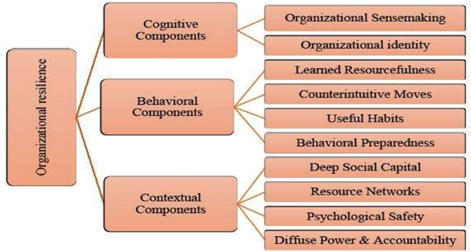
Figure
1: Evolution of
Strategic HRM from Administrative Systems to AI-Driven Workforce Planning.
With the digital
revolution, Strohmeier & Parry identified technological innovation as the
catalyst that repositioned HR as a source of evidence-based workforce planning.
Digitalization enabled organizations to integrate disparate HR processes into unified
platforms3, making it possible to
link employee data directly with organizational objectives. Rasmussen &
Ulrich expanded on this trajectory by documenting the transition of HR
analytics from descriptive reporting (focused on past outcomes) to predictive modeling
(anticipating future risks and opportunities)6.
This predictive capability marked a fundamental turning point, empowering HR
leaders to forecast attrition, model succession pipelines and quantify
workforce risks with unprecedented precision.
Recent studies
confirm that the next phase of this evolution lies in the integration of
artificial intelligence (AI) into HR platforms. Vrontis, et al. and Singh &
Jaiswal show that AI-enabled analytics not only enhance forecasting accuracy
but also embed ethical, cognitive and behavioral dimensions into HR
decision-making7,8. This brings HR
closer to a proactive, strategic role where it shapes organizational resilience
rather than merely responding to workforce disruptions. Industry analysts
reinforce these findings: Deloitte’s HR Technology Trends report identifies
predictive analytics9, employee
experience and skills intelligence as the dominant forces shaping modern HR,
while ISG Research highlights the rapid adoption of AI-driven HCM suites in
healthcare, finance and public sector organizations where compliance and
agility are critical10.
This evolution is
further illustrated by examining organizational resilience, which is
increasingly recognized as a key outcome of AI-enabled HR systems. As shown in Figure 2, resilience is
multi-dimensional, comprising cognitive
components (such as organizational sensemaking and identity), behavioral components (including
preparedness, resourcefulness and social capital) and contextual components (such as psychological safety and
distributed accountability). Predictive and AI-powered HR systems, such as Oracle
AI Cloud, directly enhance these dimensions by enabling proactive workforce
modeling, embedding compliance mechanisms and fostering trust through
transparent analytics.
Figure 1 depicts the historical evolution of
strategic HRM-from administrative record-keeping systems to cloud-based,
AI-driven workforce planning-while (Figure 2) (Organizational Resilience
Model) contextualizes the outcomes of this transformation, showing how modern
HR platforms contribute to resilience at cognitive, behavioral and contextual
levels. Together, these frameworks highlight that AI-driven HR is not only
about efficiency but also about equipping organizations with the adaptive
capacity to thrive in volatile environments such as mergers, acquisitions and
regulatory transitions.
Figure 2: HRM and Organizational Resilience.
3.HR Challenges in M&A Contexts
Mergers and
acquisitions (M&A) amplify the complexity of HR management by forcing
organizations to reconcile diverse cultures, processes and compliance
obligations under conditions of heightened uncertainty. Research consistently
shows that between 50% and 70% of M&A transactions fail to deliver expected
synergies, with workforce-related challenges identified as the single largest
barrier11. Employee attrition, in
particular, becomes a critical risk during integration. Voluntary turnover
often spikes as employees perceive instability, fear redundancies or experience
cultural dissonance, undermining the very talent base the merger was intended
to strengthen.
Compliance management
adds another layer of complexity. Differing labor laws, benefits frameworks and
regulatory standards across jurisdictions mean that HR leaders must navigate a
patchwork of obligations. Failure to align compliance practices not only risks
financial penalties but can also damage organizational reputation at a time
when trust is most needed. Simultaneously, data fragmentation across legacy HR
systems prevents the creation of a unified view of the workforce, making it
difficult to identify overlapping roles, skills gaps or opportunities for
redeployment.
These challenges
underscore why traditional HR methods largely reactive and descriptive-are
insufficient in the M&A context. AI-driven platforms like Oracle AI Cloud
provide a more proactive approach by integrating structured and unstructured
workforce data into a single analytical ecosystem. Through predictive attrition
modeling organizations can forecast voluntary turnover among key talent groups
and implement targeted retention strategies before risks materialize. Fusion
HCM Analytics and Oracle Workforce Modeling further enable scenario planning,
allowing HR leaders to simulate the effects of different integration strategies
on workforce outcomes. By aligning compliance automation, predictive insights
and strategic workforce planning oracle AI Cloud transforms HR from a
transactional support function into a central driver of M&A success.
4.Oracle AI Cloud: Capabilities for
Workforce Planning
Oracle AI Cloud provides a comprehensive suite of tools that address the unique demands of M&A-driven workforce planning. Oracle Database 23AI and Vector Search enable integration of structured HR data (e.g., tenure, compensation, performance) with unstructured data (e.g., surveys, feedback), producing nuanced attrition forecasts while maintaining compliance. Fusion HCM Analytics offers pre-built KPIs, dashboards and natural language queries, democratizing predictive insights across leadership layers. Workforce Modeling simulates interventions such as workload redistribution or leadership transitions, thereby reducing risk during the high-uncertainty phase of post-merger integration. Meanwhile oracle ME and Journeys personalize the employee experience, guiding staff through transitions with tailored nudges, wellness support and career pathways (Figure 2).

Figure 2: HR Analytics Maturity Model.
This maturity framework shows stages of HR analytics sophistication, as
organizations evolve from descriptive to predictive and prescriptive
capabilities.
As shown in (Figure
2), the maturity of HR analytics progresses across five stages: novice,
descriptive, diagnostic, predictive and prescriptive. The data indicates that
most organizations still cluster around the predictive (26%) and prescriptive
(32%) stages, while fewer operate at purely descriptive (17%) or novice (6%)
levels. This distribution underscores the urgency for enterprises-especially
those undergoing M&A-to accelerate their analytics maturity. Oracle AI
Cloud facilitates this progression by embedding predictive and prescriptive
tools directly into the HCM ecosystem, ensuring that HR leaders can not only
forecast outcomes but also design actionable interventions. For M&A
planning, this means moving beyond hindsight into a proactive, simulation-driven
model that minimizes attrition risks and enhances cultural integration.
5. Case Studies and Empirical Evidence
Case studies continue
to demonstrate the tangible impact of AI-enabled HR platforms in addressing
workforce complexities. PwC
highlighted the case of a multi-regional healthcare provider that deployed
Oracle HCM Cloud, achieving a 40%
reduction in onboarding time, significant improvements in payroll
accuracy12 and higher levels of
employee engagement. Although not specifically tied to M&A activity, this
case underscores the platform’s ability to manage large-scale workforce
transitions across geographies and regulatory frameworks-conditions that mirror
the realities of post-merger integration.
Further evidence
comes from ISG Research (2024),
which reported that 65% of U.S. public
sector organizations have modernized HR systems by leveraging cloud HCM
suites. Predictive analytics was identified as a cornerstone of these
transformations, with applications ranging from attrition forecasting to
compliance monitoring. While the public sector faces unique challenges, the
lessons are directly applicable to M&A contexts where organizations must
rapidly align HR operations, unify data sources and anticipate workforce
disruptions.
In M&A-specific
scenarios, predictive analytics can be the differentiator between success and
failure. Research has shown that as many as 70% of M&A deals fail to achieve expected synergies due to
workforce misalignment and cultural clashes11.
Oracle AI Cloud addresses these risks by integrating structured HR data (e.g.,
compensation, tenure and performance metrics) with unstructured data (e.g.,
surveys, feedback and exit interviews). This creates a more holistic view of
workforce sentiment and risk during integration. Tools like Workforce Modeling extend this
capability by simulating different post-merger workforce configurations,
enabling leaders to test “what-if” scenarios before implementing structural
changes.
Another emerging
trend supported by case evidence is the use of AI to manage compliance complexities in global
M&A transactions. For instance, multinational firms adopting Oracle AI
Cloud report improvements in audit readiness and faster adaptation to
region-specific labor laws, which often differ dramatically between merging
entities. These capabilities align with findings in Deloitte’s HR Technology
Trends, which emphasize that predictive compliance and ethical AI frameworks
are critical enablers of workforce stability in transitional periods9.
Taken together, these
case studies and adoption trends illustrate that the principles of AI-enabled
HR-predictive analytics, scenario modeling and compliance automation-are
already proven in complex, high-stakes environments. Extending these approaches
into M&A contexts provides organizations with a powerful playbook for
reducing attrition risks, accelerating synergy realization and ultimately
increasing the likelihood of long-term deal success.
6. Ethical and Governance Considerations
The rise of
predictive HR systems raises critical ethical challenges, especially in
high-stakes contexts such as mergers and acquisitions (M&A). One of the
most pressing risks is algorithmic
opacity, where managers rely on AI-driven recommendations without fully
understanding the underlying logic. Such opacity can inadvertently reinforce
bias, undermine fairness and erode employee trust at precisely the time when
stability and transparency are most critical. To counter these risks organizations
must adopt robust governance frameworks
that institutionalize transparency, fairness audits and human review of
predictive models. Oracle AI Cloud supports these objectives through
explainability dashboards and reason codes, but technology alone cannot
substitute for clear organizational policies and accountability structures.
The trajectory of
strategic HRM, summarized in Table 1
(Strategic HRM Implementation Process), shows how governance in HR has
always evolved alongside the complexity of its role.
· In the early 1980s, HR was primarily
concerned with contingency perspectives
and fit, focusing on aligning HR activities with organizational
outcomes. This was also the period where HR began shifting from basic people management toward strategic
contributions, ensuring employees were equipped and motivated to achieve
business goals. These early stages mirror today’s imperative that predictive
systems be aligned not only with technical outputs but also with broader
strategic and ethical goals.
·By the early 1990s, the field of HR had
expanded its scope to include implementation
and execution of strategic HR models. Researchers and practitioners
emphasized measurable outcomes, with accountability mechanisms becoming
increasingly central. Similarly, predictive HR systems today require rigorous evaluation frameworks that
measure fairness, bias reduction and the effectiveness of AI-generated
recommendations. Without such systematic evaluation organizations risk
deploying “black box” models that lack legitimacy and reliability.
·Since 2000, strategic HRM has emphasized methodological rigor and conceptual
consolidation, reflecting the maturation of HR as a field. This shift
aligns closely with today’s call for governance
of AI-enabled HR systems. Just as SHRM research matured by embedding
methodological checks, predictive HR systems must now in corporate governance
structures that embed explainability, accountability and fairness into daily HR
practices.
In M&A contexts,
the ethical stakes are even higher. Employees often experience heightened
anxiety about job security, role clarity and cultural alignment. If predictive
analytics are perceived as opaque or biased, trust can collapse-leading to
attrition spikes and failed integration efforts. Conversely, when predictive
systems are governed transparently, with explainable algorithms, fairness audits and human oversight organizations
can foster trust, reduce resistance and improve retention.
Thus, the historical
trajectory outlined in (Table 1) demonstrates that governance has always
been integral to the evolution of HRM. From fit in the 1980s, to execution in
the 1990s, to methodological rigor since 2000, each stage laid the foundation
for today’s AI governance challenge.
Ethical oversight of predictive HR systems is not merely a compliance
requirement but the logical next step in the maturation of strategic HRM-and a
critical enabler of successful workforce integration in M&A.
Table 1:
Strategic HRM Implementation Process.
|
Period |
Focus Area |
Description |
|
Early 1980s |
Explaining
contingency perspectives and fit |
Identification of
ways to achieve a fit between HR activities and desired strategic outcomes. |
|
Shifting from
managing people to creating strategic contributions |
Ensuring that
employees have the ability and motivation to achieve established
organizational goals. |
|
|
Elaborating HR
system components and structure |
Identification of
HR elements to be examined in detail and blended into unique configurations
of HR activities. |
|
|
Early 1990s |
Expanding the scope
of SHRM |
Emphasis on
strategic contributions of HR in a competitive context, expanding
organizational boundaries. |
|
Achieving HR
implementation and execution |
Evaluation of the
effective implementation of SHRM models as they become more complex. |
|
|
Measuring outcomes
of SHRM |
Determination of
valid and appropriate measures of SHRM activities as performance issues
become increasingly prominent. |
|
|
Since 2000 |
Evaluating
methodological issues |
Greater
methodological emphasis as the SHRM field matures, focusing on conceptual
structures and consolidating research frameworks. |
7. Implications for HR Strategy
The integration of
AI-enabled Human Capital Management (HCM) platforms into mergers and
acquisitions (M&A) forecasting fundamentally reshapes the role of HR from a
transactional, compliance-oriented function into a proactive driver of
strategic outcomes. Traditionally, HR leaders in M&A contexts have been
tasked with ensuring legal compliance, harmonizing policies and managing the
administrative complexity of workforce consolidation. While necessary, these
reactive approaches often leave organizations vulnerable to attrition, cultural
misalignment and productivity losses during critical integration phases.
AI-enabled platforms
such as Oracle AI Cloud transform this paradigm by equipping HR leaders with predictive insights that extend beyond
compliance. Attrition forecasting, powered by Oracle Database 23AI and
Vector Search, allows organizations to anticipate voluntary turnover with a
level of granularity not possible in traditional systems. This enables HR teams
to design targeted retention
interventions-for example, identifying high-risk employee groups,
simulating tailored career pathways and offering role-based incentives that
directly address integration-related anxieties. Such precision ensures that
human capital strategies are aligned with both organizational priorities and
employee expectations, mitigating the risks of workforce destabilization.
Beyond retention,
predictive analytics enhance regulatory
assurance in multi-jurisdictional contexts. During cross-border M&A,
compliance challenges multiply due to differing labor laws, data privacy
regulations and collective bargaining agreements. Oracle’s embedded compliance
dashboards and explainability tools help executives validate that predictive
models adhere to regulatory standards while also maintaining audit readiness.
This dual emphasis on compliance and explainability not only strengthens institutional
legitimacy but also supports smoother negotiations with regulators and
stakeholders.
Equally important are
the cultural and trust implications.
Employees experiencing merger transitions often face uncertainty, leading to
disengagement and attrition. When predictive analytics are paired with
transparent governance frameworks-through fairness audits, reason codes and
human oversight-employees are more likely to perceive HR decisions as
legitimate and trustworthy. This transparency fosters resilience, strengthens
employee engagement and reduces the risk of post-merger cultural fragmentation.
For executives, the
strategic implication is clear: embedding Oracle’s AI-driven workforce
intelligence into M&A strategies allows HR to operate as a strategic partner in value creation.
Workforce integration ceases to be a reactive cost center and instead becomes a
source of competitive advantage. By aligning predictive HR practices with
business goals organizations can reduce attrition-related costs, accelerate
synergy realization and ensure that the human capital dimension of M&A
supports long-term sustainability. Ultimately, the adoption of AI-enabled HCM
systems positions HR not as a secondary function in M&A, but as a critical architect of organizational
resilience and transformation.
8.Conclusion
Mergers and
acquisitions represent a crucible for workforce planning, where compliance,
retention and cultural integration converge into decisive determinants of
organizational success. The volatility of these transitions exposes the
limitations of traditional HR methods, which depend heavily on retrospective
data, manual processes and reactive interventions. These approaches are often
too slow, fragmented and opaque to manage the scale and complexity of modern
M&A environments, particularly in globalized industries where diverse
regulatory regimes and heterogeneous workforces magnify risks.
Oracle AI Cloud
introduces a transformative model by embedding predictive analytics, compliance
automation and personalized employee experience design into a single integrated
framework. Its capacity to unify structured and unstructured workforce data,
simulate workforce scenarios and generate explainable predictive insights
enables HR leaders to anticipate attrition, harmonize policies across
jurisdictions and design tailored interventions that foster trust during
periods of disruption. Unlike static approaches oracle’s model makes workforce
planning not just a risk-mitigation exercise but a proactive strategy for
sustaining productivity and morale throughout integration.
The argument advanced
in this paper draws on foundational HR
scholarship that has traced HR’s evolution from administrative
record-keeping to strategic enabler3,4,
as well as industry analyses
that highlight predictive analytics, skills intelligence and employee
experience as dominant trends in HCM transformation9. Empirical case evidence from healthcare, public sector and
global enterprises-further validates that AI-enabled workforce planning
achieves measurable outcomes in reducing onboarding time, improving compliance
assurance and enhancing engagement. Together, these findings illustrate that AI
is no longer an optional enhancement to HR processes but a structural necessity
for high-stakes contexts like M&A.
The trajectory of HR
technology suggests that platforms like Oracle AI Cloud will increasingly
define the future of workforce planning. By embedding predictive intelligence
within compliance-driven architectures organizations can move beyond the
reactive management of uncertainty toward a model of precision, fairness and
strategic foresight. In doing so, M&A events can be reframed not as
disruptive episodes but as opportunities for sustainable growth and workforce
resilience anchored in the intelligent application of AI-enabled HR practices.
9. References
- Khatri N.
Managing human resource for competitive advantage: A study of companies in
Singapore. International Journal of Human Resource Management, 2000;11:
336-365.
- Bondarouk
T, Ruël H. Electronic Human Resource Management: Challenges in the digital era.
International Journal of Human Resource Management, 2009;20: 505-514.
- Strohmeier
S, Parry E. HRM in the digital age – digital changes and challenges of the HR
profession. Employee Relations, 2014;36: 456-470.
- Lengnick-Hall CA,
Lengnick-Hall ML. Strategic human resource management: A review of the
literature and a proposed typology. Academy of Management Review, 2009;13:
454-470.
- Buller
PF, McEvoy GM. Strategy, human resource management and performance: Sharpening
line of sight. Human Resource Management Review, 2012;22: 43-56.
- Rasmussen
T, Ulrich D. Learning from practice: How HR analytics avoids being a management
fad. Organizational Dynamics, 2015;44: 236-242.
- Vrontis
D, Christofi M, Pereira V. Human resource management in the era of artificial
intelligence: Challenges and opportunities. Journal of Business Research,
2024;162: 113-130.
- Singh S, Jaiswal G. Leveraging HR
analytics for evidence-based workforce decisions: A strategic perspective.
Journal of Business Research, 2024;172: 114-129.
- https://www2.deloitte.com/insights/us/en/focus/human-capital-trends.html
- https://isg-one.com/research
- Wright
PM, Ulrich MD. A road well-traveled: The past, present and future journey of
strategic human resource management. Annual Review of Organizational Psychology
and Organizational Behavior, 2017;4: 45-65.
- https://www.pwc.com/gx/en/services/people-organisation/hr-transformation.html