Recent Advances in Human Health Through Biotechnology
Abstract
Keywords: Biotechnology, Human Health, Genetic Engineering, Vaccines, Diagnostics, Personalized Medicine, Regenerative Medicine
1. Introduction
Biotechnology is a
multidisciplinary science that uses biological systems and processes to address
scientific, technological and healthcare challenges1-3. Its roots date back to ancient times, when humans
selected plants for cultivation, domesticated animals and used microorganisms
to produce bread, wine and beer. At that time, there was no scientific
knowledge available nor the means to acquire this knowledge about the
underlying processes and molecules and people relied on experience for breeding
of plant and animal species and fermentation4,5.
Throughout history, scientists have tried to explain these phenomena. However,
it was only during the second half of the19thcentury, when biotechnology gained
a rigorous scientific basis: Louis Pasteur identified and isolated yeast as the
agent responsible for the transformation of must into wine, Gregor Mendel
formulated the laws of genetics and Friedrich Miescher discovered nucleic acids5,6. Biotechnology refers to the application
of biological systems, living organisms or their derivatives to develop
products and technologies that improve human life. Over the past few decades,
biotechnology has revolutionized healthcare by enabling the development of
innovative therapies, diagnostic tools and preventive strategies (Pandit, 2022).
From the production of insulin using recombinant DNA technology to the rapid
development of vaccines against emerging infectious diseases, biotechnology has
become indispensable in modern medicine.
The advancement of
human health through biotechnology is driven by continuous scientific
discoveries and technological innovations1,3.
These developments have significantly enhanced our understanding of disease
mechanisms at the molecular level, paving the way for targeted interventions.
This review explores the major contributions of biotechnology to human health
and examines its potential to address future healthcare challenges.
1.1. Historical evolution of biotechnology in healthcare
The roots of
biotechnology can be traced back to ancient civilizations that utilized
fermentation processes for food and beverage production3-5. However, modern biotechnology began to
take shape in the 20th century with the discovery of DNA structure and the
development of genetic engineering techniques. the History of Medicine and
Biotechnology cover several topics including: the pioneering medieval medical
schools, recombinant DNA, the development of recombinant insulin and its impact
on diabetes management, the groundbreaking advances in AIDS therapy and
diagnosis, the history of cell cultures and stem-cell research, the development
of monoclonal antibodies, the Human Genome Project, Assisted Reproduction and
gene therapy1,6.
1.2. Development of recombinant
DNA technology
However, the
discovery of the structure of DNA by James Watson and Francis rick and the
development of DNA synthesis by Arthur Kornberg in the 1950s marked a watershed
moment and led to the birth of genetic engineering and recombinant DNA (rDNA)
technology. These enabled David Goeddel’s group at Genentech, the first biotech
company1,5,6, in 1978, to produce
recombinant human insulin in Escherichia coli. It was the first in vitro
animal-free, non-immunogenic recombinant protein and quickly became the standard
therapy for treating diabetes patients worldwide7,8.
Genentech’s success inspired many new paradigms for disease diagnosis and
treatment as well as the start of many other biotechnology companies. The 1990s
witnessed the Human Genome Project and the first gene therapies in humans,
notably Alain Fischer’s successful cure of a rare and severe immune deficiency8,9. In 1995, the first genome of a living
organism, Haemophilus influenzae, was sequenced and 2 years later, the cloning
of the sheep Dolly demonstrated the potential of cellular manipulation in
mammals. The growing knowledge about recombinant DNA technology further paved
the way for genome editing, which achieved its first tangible results in 2005
by using zinc finger nucleases (ZFNs) and the transcription activator-like
effector nucleases (TALENs) in 2010. Nevertheless, CRISPR-Cas gene-editing
technology, based on a natural bacterial defense mechanism, was developed in
20133-5. It allows the precise
manipulation of DNA by adding, deleting or replacing specific genes or
individual nucleotides in living cells9-11.
During the same period, mRNA attracted interest as a therapeutic tool. In late
1987, Robert Malone took the first steps toward RNA therapeutics by mixing mRNA
with lipidic droplets that were able to enter living human cells. However,
until the late 2000s, the development of mRNA therapies was held back by RNA’s
instability and high production costs. Nonetheless, the idea of mRNA vaccines
gained traction in oncology, albeit as a therapeutic agent rather than to
prevent disease1,8. Several
scientists and start-up companies explored the technology to combat cancer
through the expression of mRNA-encoded proteins to stimulate the immune system
against tumor cells. In 2008, both Novartis and Shire established mRNA research
units, the former focused on vaccines, the latter on therapeutics. Moderna was
one of the companies that built on this work and, by 2015, it had raised more thanUS$1
billion on the promise of harnessing mRNA to restore missing or defective
disease-causing proteins. When that plan faltered, Moderna chose to prioritize
vaccines. When COVID-19 struck, Moderna quickly created a prototype vaccine
within days after the virus’s genome sequence became available and started
human trials within less than ten weeks1,8,11.
BioNTech partnered with Pfizer in March 2020 and clinical trials moved at a
record pace, going from first-in-human testing to emergency approval in less than
8months. Both vaccines use modified mRNA formulated in lipid nanoparticles
(LNPs), containing sequences that encode a form of the SARS-CoV-2 spike protein
to induce protective immunity. The mRNA vaccines greatly contributed to fight
the pan demic spread of SARS-CoV-2 virus infection8,12.
These milestones laid
the foundation for the biotechnology revolution in healthcare. The ability to
manipulate genetic material opened new possibilities for treating diseases at
their root cause.
2. Modern Era Developments
Modern biotechnology
emerged in the early 20th century. A turning point came in 1928 with the
discovery of penicillin by Alexander Fleming who accidentally observed that a
mold, later identified as a rare strain of Penicillium Notatum, inhibited the
growth of Staphylococcus colonies on a Petri dish4,12.
Fleming obtained an extract from the mold, naming its active agent penicillin
and determined that it has an antibacterial effect on staphylococci and other
gram-positive bacteria. However, several attempts made by Fleming’s group to
purify penicillin failed; he eventually published his findings in the British
Journal of Experimental Pathology in June 1929 and referred in an elusive
manner to penicillin’s potential therapeutic benefits). The onset of World War
II forced scientists and engineers to collaborate in developing large-scale
culture of Penicillium to quickly produce penicillin, facing the need to cure
wounded soldiers and civilians12,13.
This effort has led to the improvement of fermentation technology and made
penicillin widely available.
2.1. Genetic engineering and gene therapy
Genetic engineering
involves the direct manipulation of an organism's DNA to alter its
characteristics2,4. This
technology has led to the development of gene therapy, which aims to treat or
prevent diseases by correcting defective genes.
2.1.1. Principles of genetic
engineering: Genetic
engineering utilizes tools such as restriction enzymes, vectors and
gene-editing systems to modify DNA sequences. CRISPR-Cas9 has emerged as a
powerful tool for precise gene editing, allowing scientists to target specific
genes with high accuracy14,15.
This is technology is demonstrated in (Figure 1).
2.1.2. Applications
in human health: Genetic
engineering has applications in the treatment of genetic disorders such as
cystic fibrosis and sickle cell anemia, development of genetically engineered
immune cells for cancer therapy and production of therapeutic proteins.
Figure 1: Advancing Human Health Through
Recombinant DNA Technology.
2.1.3. Challenges and
ethical considerations in gene therapy: Despite its potential, gene therapy faces challenges
such as off-target effects, immune responses and ethical concerns related to
genetic modification. Addressing these issues is critical for the safe and
effective application of genetic engineering in healthcare2-5.
2.2. Vaccine development and immunotherapy
2.2.1. Vaccines: Vaccines are one of the most successful applications of
biotechnology in preventing infectious diseases. Biotechnology has enabled the
development of advanced vaccines that are safer, more effective and faster to
produce8,15-17.
Vaccines are
biological preparations that stimulate the immune system to recognize and fight
specific pathogens such as viruses or bacteria. Traditional vaccines include
live-attenuated and inactivated forms, while newer approaches use subunit,
vector-based and nucleic acid technologies. For example, the success of mRNA
vaccines during the COVID-19 pandemic demonstrated how quickly vaccines can be
designed once the genetic sequence of a pathogen is known8, 18-20.
The development
process typically involves:
·
Antigen identification (selecting the target molecule).
·
Preclinical testing (in vitro and animal studies).
·
Clinical trials (Phase I–III to assess safety and efficacy).
·
Regulatory approval and mass production.
Advances in Genomics
and Proteomics have significantly accelerated vaccine discovery by identifying
potential antigens more efficiently8,12.
2.2.2. Immunotherapy: Immunotherapy involves enhancing or modifying the immune
system to treat diseases, especially cancer, autoimmune disorders and
infectious diseases. Unlike vaccines, which are primarily preventive,
immunotherapy is often therapeutic12.
Key types include:
·
Monoclonal antibodies targeting specific disease markers.
·
Checkpoint inhibitors that release immune “brakes” to attack cancer cells.
·
Cell-based therapies, such as CAR-T cell therapy.
·
Cytokine therapies to boost immune signaling.
In oncology,
immunotherapy has transformed treatment outcomes for diseases like Melanoma and
Lung Cancer, offering longer survival rates compared to traditional
chemotherapy in some cases20,21.
Both vaccine
development and immunotherapy rely on understanding immune mechanisms. While
vaccines aim to prevent disease by building immunity in advance, immunotherapy
focuses on treating existing conditions by strengthening or redirecting immune
responses. Together, they represent powerful tools in advancing global health20-22.
2.2.3. Types of biotechnological vaccines: There are six different types of vaccines which are:
·
Live attenuated
vaccines
·
Inactivated
vaccines
·
Subunit vaccines
·
Toxoid vaccines
·
Viral vector
vaccines
·
Messenger RNA
vaccines.
However, the above
types are comprehensively presented in (Figure 1).
Figure 1: Types of Biotechnology-Based Vaccines.
2.2.4. Role vaccines
in disease prevention: Biotechnological vaccines have played a crucial role in controlling
diseases such as hepatitis, influenza and COVID-19. The rapid development of
mRNA vaccines demonstrates the power of biotechnology in responding to global
health emergencies12,22-25.
2.3. Diagnostic biotechnology
Accurate and early
diagnosis is essential for effective disease management. Biotechnology has
revolutionized diagnostics by providing highly sensitive and specific tools26-28.
2.3.1. Specimens used
in diagnostics: Specimens play
a central role in advancing human health through biotechnology. They provide
the biological material needed for research, diagnostics, drug development and
therapeutic innovation27,28.
Below is a structured overview of the main types of specimens used and how they
contribute to modern biotechnology.
2.3.1.1 Human biological
specimens: Human
biological specimens are samples obtained from the human body for use in
medical research, diagnosis and biotechnology. They are essential for
understanding disease mechanisms, developing treatments and advancing
healthcare23-25.
Common types of
specimens include blood, urine, saliva, tissues and body fluids such as
cerebrospinal fluid. Blood samples are widely used to measure biomarkers,
detect infections like malaria and HIV/AIDS and assess organ function8,12,27. Tissue samples, often collected
through biopsy, are important in diagnosing cancers such as prostate cancer and
studying cellular changes.
These specimens are
used in laboratory analyses including molecular diagnostics, biochemical assays
and genetic testing. They help identify pathogens, detect genetic disorders and
monitor treatment responses. In research, human specimens support drug
development, vaccine production and personalized medicine.
Proper collection,
handling, storage and transportation of specimens are critical to maintain
their integrity and ensure accurate results. Ethical considerations, including
informed consent and confidentiality, are also essential when working with
human samples (Figure 2).
Concisely, human
biological specimens are fundamental tools in modern healthcare and
biotechnology, providing vital information for disease diagnosis, research and
treatment advancement28.

Figure 2: Specimens Used in Molecular Diagnostic Tests.
2.3.1.2. Microbial specimens:
Microbial specimens
are samples that contain microorganisms such as bacteria, viruses, fungi and
parasites. They are widely used in healthcare, research and biotechnology to
study disease-causing agents and beneficial microbes2,3.
These specimens can
be obtained from clinical sources (e.g., blood, sputum, urine or swabs) or from
the environment (soil, water, air). In medical laboratories, microbial
specimens are essential for diagnosing infectious diseases such as
tuberculosis, malaria and COVID-198,11.
Techniques like culture, microscopy and molecular diagnostics are used to
identify and characterize microorganisms29,30.
In biotechnology,
microbial specimens play a crucial role in producing antibiotics, enzymes,
vaccines and other bio-products. For example, bacteria like Escherichia coli
are commonly used in genetic engineering and recombinant DNA technology to
produce proteins such as insulin29.
Proper collection,
preservation and handling of microbial specimens are important to prevent
contamination and ensure accurate results. Sterile techniques and appropriate
storage conditions must be maintained.
However, microbial
specimens are vital for disease diagnosis, scientific research and industrial
applications, making them indispensable in advancing healthcare and
biotechnology.
2.3.1.3 Plant specimens: Plant specimens are samples obtained from plants, such
as leaves, stems, roots, seeds or flowers, used in research, medicine and
biotechnology. They are valuable sources of bioactive compounds, enzymes and
genetic material that contribute to advancing healthcare and agriculture4.
In medicine, plant
specimens are widely used for drug discovery and development. Many therapeutic
compounds are derived from plants; for example, Catharanthus roseus produces
alkaloids used in cancer treatment4.
Plants also provide important enzymes like amylases and oxidases32 used in biochemical and industrial
processes.
In biotechnology,
plant specimens are used in genetic engineering to improve crop yield,
resistance to pests and nutritional quality4.
Techniques such as tissue culture allow the rapid propagation of disease-free
plants, while molecular studies help identify useful genes for crop
improvement.
Plant specimens also
play a role in environmental sustainability, including the study of plant-based
solutions for pollution control and soil improvement.
Proper collection and
preservation are essential to maintain the quality and integrity of plant
specimens. This includes careful handling, appropriate storage conditions and
accurate labeling.
In summary, plant
specimens are essential resources in biotechnology, contributing to drug
development, agricultural advancement and environmental management.
2.3.1.4. Animal specimens: Animal specimens are biological samples obtained from animals for use in research, medical studies and biotechnology. These specimens may include whole organisms, tissues organs, blood or cells and they are essential for understanding biological systems and disease processes4,12.
In biomedical
research, animal specimens are commonly used as models to study human diseases
such as diabetes mellitus and cancer. They help scientists investigate disease
mechanisms, test new drugs and evaluate the safety and effectiveness of
treatments before clinical trials in humans. Animals like mice, rats and
rabbits are frequently used due to their genetic and physiological similarities
to humans12.
Animal specimens also
contribute to vaccine development, toxicological testing and the study of organ
function. In biotechnology, genetically engineered animals are used to produce
therapeutic proteins and to study gene expression and regulation.
Ethical
considerations are very important in the use of animal specimens. Researchers
must follow strict guidelines to ensure humane treatment, minimize suffering
and use alternatives whenever possible.
Animal specimens are
crucial in advancing scientific knowledge and improving healthcare, serving as
vital tools in research, drug development and biotechnology.
Specimens from human
tissues to microbes and environmental samples are the foundation of
biotechnology. They enable breakthroughs in disease diagnosis, drug
development, vaccine production and personalized medicine14. As biotechnology advances, the ethical
collection, storage and use of these specimens (biobanking) become increasingly
important to ensure responsible and impactful scientific progress1.
2.4. Molecular diagnostics
Molecular diagnostics
is a branch of biotechnology that analyzes biological markers at the DNA, RNA
or protein level to detect and monitor diseases, guide treatment decisions and
support personalized medicine17.
Unlike conventional diagnostic methods, it focuses on the genetic and molecular
basis of disease, offering higher sensitivity and specificity. Techniques such
as PCR, DNA sequencing and microarrays enable the detection of genetic
mutations and pathogens at an early stage2,3.
2.4.1. Principle of molecular
diagnostics
Molecular diagnostics
is a field of laboratory medicine that detects diseases by analyzing genetic
material such as DNA and RNA, as well as specific proteins. It provides highly
sensitive and specific results, enabling early and accurate diagnosis of various
conditions12,14.
This approach relies
on identifying unique molecular signatures associated with diseases. Techniques
such as polymerase chain reaction (PCR), DNA sequencing and gene expression
analysis are commonly used. These methods can detect very small amounts of
genetic material, making them especially useful for identifying infections and
genetic disorders28.
Molecular diagnostics
is widely applied in detecting infectious diseases like COVID-19 and
tuberculosis. It is also essential in diagnosing inherited conditions such as
sickle cell anemia and in identifying mutations involved in cancers like breast
cancer17,28.
In addition,
molecular diagnostics supports personalized medicine by helping clinicians
choose treatments based on an individual’s genetic profile. It is also used to
monitor disease progression and response to therapy.
Despite its
advantages, challenges include high cost, need for specialized equipment and
technical expertise. However, ongoing advancements are making these
technologies more accessible.
Molecular diagnostics
is a powerful tool in modern healthcare, improving disease detection, treatment
decisions and patient outcomes.

Figure 3: Molecular Diagnostic Techniques in Health Care33.
Figure 4: Molecular Diagnostic
Techniques in Health Care (Genomics for analyzing DNA, while Proteomics for
Proteins)33.
2.4.2. Biomarkers: Biomarkers are biological indicators used to detect
diseases and monitor treatment responses. Biotechnology has facilitated the
discovery of novel biomarkers for various diseases34,35.
2.4.2.1. Biomarkers
in healthcare: Biomarkers
are measurable biological indicators that play a crucial role in improving
health care delivery. They provide objective information about normal
physiological processes, disease conditions and responses to treatment,
enabling more accurate and timely medical decisions.
In clinical practice,
biomarkers are widely used for early disease detection, diagnosis and
monitoring. For example, blood glucose levels are essential in managing
diabetes, while biomarkers such as viral load are used to monitor infections
like HIV/AIDS8,12. In oncology,
specific biomarkers help identify and guide treatment for cancers such as
breast cancer, allowing for targeted therapies28.
Biomarkers also
support personalized medicine by helping clinicians select the most effective
treatments based on individual patient characteristics. This improves treatment
outcomes, reduces adverse drug reactions and enhances overall efficiency in
healthcare delivery2-4.
Despite their
benefits, challenges such as high costs, limited accessibility and variability
among patients remain. However, continuous advancements in biotechnology are
making biomarker-based approaches more reliable and widely available. Biomarkers
significantly enhance healthcare delivery by enabling early diagnosis, guiding
treatment decisions and improving patient outcomes35.
Molecular diagnostics
is a cornerstone of modern biotechnology, bridging laboratory science and
clinical medicine. By focusing on the molecular basis of disease, it allows
earlier, more accurate diagnoses and supports the shift toward personalized
healthcare35-37.
2.5. Regenerative medicine and tissue engineering
Regenerative medicine
aims to repair or replace damaged tissues and organs using biological
approaches. This field combines stem cell biology, biomaterials and engineering
techniques. Regenerative medicine and tissue engineering are rapidly advancing
fields aimed at restoring or replacing damaged tissues and organs38-40. They combine principles from biology,
medicine and engineering to repair the body’s structure and function, offering
new hope for conditions that were once considered untreatable. Regenerative
medicine focuses on stimulating the body’s natural healing processes using
approaches such as stem cell therapy, gene therapy and biologically active
molecules38. Stem cells,
particularly pluripotent cells, have the ability to differentiate into various
cell types, making them valuable for repairing tissues like skin, bone and
nerve cells.
Tissue engineering, a
key component of regenerative medicine, involves creating artificial tissues in
the laboratory. This is achieved by combining three essential elements:
scaffolds, cells and growth factors. Scaffolds provide a structural framework,
cells populate the scaffold and growth factors promote cell growth and
differentiation. These engineered tissues can then be implanted into patients
to restore function40.
Applications of these
technologies include treatment of burns using engineered skin, repair of
damaged cartilage and development of artificial organs such as bladders and
blood vessels. They are also being explored for treating chronic diseases like
heart disease and diabetes14.
Despite their
promise, challenges remain, including high costs, ethical concerns (especially
with stem cell use) and difficulties in replicating complex organ structures.
However, ongoing research continues to improve their safety and effectiveness41-43.
More importantly,
regenerative medicine and tissue engineering represent a transformative
approach in healthcare, with the potential to revolutionize treatment by moving
beyond symptom management to actual tissue and organ restoration (Figure 5).
Figure 5: Tissue Engineering Workflow44.
Tissue engineering
flow refers to the step-by-step process used to create functional biological
tissues in the laboratory for medical use38-40.
It typically involves the following key stages:
·
Cell isolation and selection: Suitable cells are obtained from a patient or donor.
These may include stem cells or specialized cells capable of growth and
regeneration.
·
Cell expansion (Culturing): The isolated cells are grown under controlled laboratory
conditions to increase their number while maintaining their viability and
function.
·
Scaffold preparation: A biocompatible scaffold is designed to act as a structural framework. It
mimics the natural extracellular matrix and supports cell attachment and
growth.
·
Cell seeding: The cultured cells are carefully placed onto or within the scaffold to
ensure uniform distribution.
·
Growth and differentiation: The cell-scaffold construct is maintained in a
controlled environment, often using a bioreactor. Growth factors and nutrients
are supplied to promote tissue formation and specialization.
·
Tissue maturation: The developing tissue is allowed to mature and gain functional properties
similar to natural tissue.
·
Implantation: The engineered tissue is implanted into the patient to repair or replace
damaged tissue31.
However, as
demonstrated in (Figure 5), tissue engineering flow integrates cells,
scaffolds and biological signals in a controlled sequence to produce functional
tissues for therapeutic applications.
Bottom of Form
2.6. Stem cell therapy
Stem cells have the
ability to differentiate into various cell types, making them valuable for
treating conditions such as spinal cord injuries and degenerative diseases46, 47.
Stem cell engineering
is a branch of biotechnology that involves manipulating stem cells to develop,
repair or replace damaged tissues and organs. Stem cells are unique because
they can self-renew and differentiate into specialized cell types such as
muscle, nerve or blood cells45,47.
There are different
types of stem cells used in engineering. Embryonic stem cells have high
differentiation potential, while adult stem cells (e.g., from bone marrow) are
more limited but widely used in therapy. Induced pluripotent stem cells (iPSCs)
are adult cells that have been reprogrammed to behave like embryonic stem
cells, offering a powerful and ethically favorable alternative48,49.
The process of stem
cell engineering typically involves isolating stem cells, culturing and
expanding them in the laboratory and directing their differentiation using
growth factors, signaling molecules or genetic modification. Advanced tools
like CRISPR-Cas9 can be used to edit genes within stem cells to correct genetic
defects or enhance therapeutic potential2,4.
Applications of stem
cell engineering are wide-ranging. It is used in regenerative medicine to
repair tissues such as skin, bone and cardiac muscle. It also plays a role in
treating diseases like leukemia through bone marrow transplantation and in
modeling diseases for drug testing and research31,49.
Despite its promise,
stem cell engineering faces challenges including ethical concerns, risk of
immune rejection and potential for uncontrolled cell growth. However, ongoing
research continues to improve its safety and effectiveness.
More importantly, stem
cell engineering is a transformative field with the potential to revolutionize
healthcare by enabling tissue regeneration, disease modeling and personalized
treatment approaches16.
2.7. Stem cells and cell cultures
Stem cells are used
in regenerative medicine and cell cultures allow controlled experimentation in
vitro. Applications include tissue engineering and organ regeneration. Examples
include: Induced pluripotent stem cells (iPSCs) for disease modeling49.
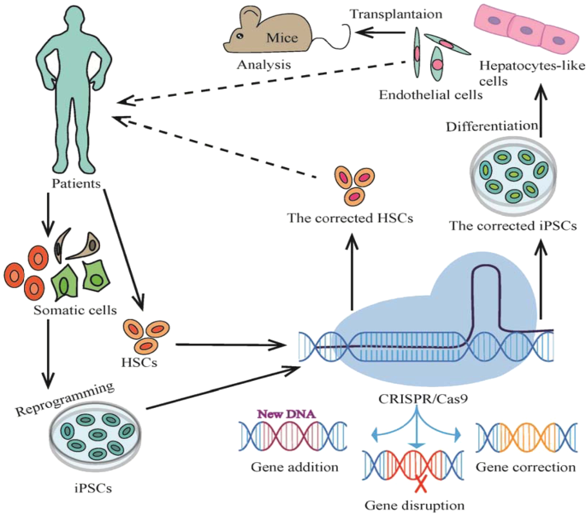
Figure 6: Stem Cell in Advancing Human
Health (Sabitha et al., 2021).
2.7. Personalized medicine
Personalized
medicine, also known as precision medicine, is an approach to healthcare that tailor’s
medical treatment to the individual characteristics of each patient. It uses
information about a person’s genetic makeup, environment and lifestyle to guide
decisions related to prevention, diagnosis and therapy9,16.
At the core of
personalized medicine is the analysis of genetic variations. Techniques from
molecular biology help identify mutations or biomarkers associated with
specific diseases. For example, genetic testing can detect conditions like
sickle cell anemia or determine susceptibility to diseases such as breast
cancer. This allows healthcare providers to choose treatments that are more
effective and less likely to cause adverse effects48,49.
A key component of
personalized medicine is pharmacogenomics, which studies how genes influence a
person’s response to drugs. This helps in selecting the right medication and
dosage for each patient, reducing trial-and-error prescribing. Advanced technologies
like CRISPR-Cas9 and next-generation sequencing have further enhanced the
ability to customize treatments2,4.
Applications of
personalized medicine include targeted cancer therapies, tailored drug
prescriptions and early disease detection49-52.
It is also used in managing chronic and infectious diseases such as HIV/AIDS,
where treatment can be adjusted based on individual response8.
Despite its
advantages, challenges remain, including high costs, data privacy concerns and
limited access in some regions. However, as technology advances, personalized
medicine is becoming more accessible and is transforming healthcare from a
one-size-fits-all approach to more precise, patient-centered care49.
Nevertheless,
personalized medicine improves treatment outcomes by aligning medical care with
each individual’s unique biological profile, making healthcare more effective
and efficient.
2.8. Genomics and precision medicine
Advances in genomics
have made it possible to identify genetic variations that influence disease
risk and treatment response2,3. The rapid evolution of biomedical and digital
health sciences, including genomics, proteomics, pharmacogenomics,
bioinformatics, real-world data analytics, molecular diagnostics and advanced
therapies such as cell and gene therapies and recognizing the cross-cutting and
enabling role of artificial intelligence in supporting these domains, which
collectively underpin precision medicine and have the potential to transform
prevention, diagnosis and treatment across the life course1,4,49. However, precision medicine refers
to the use of clinical, molecular, genomic and other health-related data to
inform prevention, diagnosis and treatment decisions, taking into account
individual variability in clinical characteristics, molecular and genomic
profiles, with appropriate safeguards, including the use of health technology
assessment, to promote ethical, equitable and cost-effective implementation and
improved health outcomes9,16.
Moreover, precision medicine represents a paradigm shift towards predictive,
preventive and participatory health systems, enabling targeted, effective and
efficient interventions that enhance the efficiency and sustainability of
universal health coverage by ensuring that the right intervention reaches the
right patient. Furthermore, precision medicine, through genomic sequencing,
high-throughput diagnostics and molecular targeting and through the development
and delivery of advanced therapies such as cell and gene therapies has shown
measurable clinical benefit and in several cases demonstrated
cost-effectiveness, including by improving survival through targeted cancer
therapies, shortening the diagnostic odyssey for rare diseases, reducing
adverse drug reactions through pharmacogenomics16,17.
The contribution of precision medicine to the prevention and management of
noncommunicable diseases, infectious diseases, maternal, child and mental
healthcare and its potential to improve health outcomes and greater health
system efficiency. The global investment in precision medicine is projected to
grow substantially by 2030, reflecting its growing impact on clinical
innovation, biotechnology and public health and the need to foster such
investment yields equitable and sustainable benefits across all regions.
Recalling, as appropriate, the 2023 United Nations high-level meeting on
universal health coverage and the 2030 Agenda for Sustainable Development
including commitments to promote equitable distribution of and increased access
to quality, safe, effective, affordable and essential medicines, vaccines,
diagnostics and health technologies, as enablers of affordable, quality
healthcare services and their timely delivery for all throughout the life
course1,2,50. In addition, the
role of precision medicine in advancing universal health coverage and the WHO
Fourteenth General Program of Work (GPW 14), 2025-2028, particularly in
strengthening primary healthcare, ensuring equity and addressing health
inequalities. More importantly, many populations, particularly women, children
and older adults, remain underrepresented in the data and research that
underpin precision medicine and emphasizing the need to ensure diversity and
inclusivity in the research and application of precision medicine, including
meaningful representation of developing countries and historically
underrepresented regions, so that emerging approaches equitably benefit all
populations10,18,20.
2.9. Pharmacogenomics
Pharmacogenomics is
the study of how an individual’s genetic makeup influences their response to
drugs. It combines pharmacology and genomics to develop personalized treatment
strategies that maximize drug effectiveness while minimizing adverse effects51-54.
Genetic variations
can affect how drugs are absorbed, metabolized and eliminated in the body. For
example, differences in liver enzymes can cause some individuals to process
medications too quickly or too slowly, leading to reduced efficacy or increased
risk of toxicity20,27.
Pharmacogenomic testing helps identify these variations before treatment
begins.
This approach is
widely used in managing diseases such as cancer, where specific genetic markers
guide the use of targeted therapies and HIV/AIDS, where drug selection can be
optimized for better outcomes8.
It also plays a role in treating cardiovascular and psychiatric conditions by
helping clinicians choose the most suitable medications and dosages.
The benefits of
pharmacogenomics include improved drug safety, reduced trial-and-error
prescribing and enhanced treatment outcomes20.
However, challenges such as high costs, limited access to testing and ethical
concerns regarding genetic data remain.
Therefore,
pharmacogenomics is a key component of personalized medicine, enabling
healthcare providers to tailor drug therapy based on an individual’s genetic
profile, thereby improving the quality and effectiveness of care2.
2.10. Biotechnology in combating infectious diseases
Biotechnology plays a
vital role in preventing, diagnosing and treating diseases by applying
biological systems and modern technologies1,4,52.
It has transformed healthcare by enabling more precise, effective and rapid
responses to both infectious and non-communicable diseases18,20.
One major
contribution of biotechnology is in disease diagnosis. Techniques such as
molecular diagnostics allow early detection of infections like COVID-19 and
tuberculosis, improving treatment outcomes. These methods are highly sensitive
and can identify diseases even before symptoms appear53-55.
Biotechnology is also
essential in drug and vaccine development. Through genetic engineering,
scientists can produce vaccines and therapeutic proteins efficiently. For
example, insulin used in managing diabetes is produced using recombinant DNA
technology14,20. Vaccines
developed using biotechnology have been crucial in controlling infectious
diseases worldwide.
Biotechnology plays a
critical role in the prevention, diagnosis and treatment of infectious diseases
by applying advanced biological and molecular techniques. It has significantly
improved the ability to respond to outbreaks and manage diseases effectively. One
major contribution is in rapid and accurate diagnosis. Molecular diagnostic
tools, such as PCR and nucleic acid sequencing, enable early detection of
pathogens responsible for diseases like COVID-19, malaria and tuberculosis8,54. Early detection helps in timely
treatment and reduces disease spread.
Biotechnology is also
central to vaccine development. Modern techniques, including recombinant DNA
technology and mRNA platforms, have accelerated the production of safe and
effective vaccines. These vaccines stimulate the immune system to recognize and
fight infectious agents54.
In treatment,
biotechnology enables the production of antibiotics, antiviral drugs and
monoclonal antibodies. Genetic engineering allows microorganisms to produce
therapeutic substances efficiently, improving drug availability and
effectiveness20,38.
Additionally,
biotechnology supports disease surveillance and epidemiology by tracking
pathogen evolution and transmission patterns. This helps in controlling
outbreaks and developing targeted interventions1,20.
Despite its
advantages, challenges such as high costs, antimicrobial resistance and unequal
access to technology remain. However, continuous innovation is improving global
capacity to combat infectious diseases. More importantly, biotechnology is a
powerful tool in fighting infectious diseases, enhancing diagnosis, prevention
and treatment and contributing significantly to global health security16,20.
2.11. Ethical, legal and social implications
Biotechnology has
transformed healthcare, but it also raises important ethical, legal and social
concerns that must be carefully addressed1,4,54.
Ethical implications
focus on moral questions about the use of biological technologies. Issues
include genetic modification, stem cell research and gene editing using tools
like CRISPR-Cas94-6. Concerns
arise about altering human genes, potential misuse and respect for human
dignity. Informed consent and the privacy of genetic information are also
critical ethical considerations.
Legal implications
involve regulations that govern the use of biotechnology. Governments establish
laws to ensure safety, quality and ethical compliance in research and clinical
applications. Legal issues include patenting of biological materials, ownership
of genetic data and liability in case of harm caused by biotechnological
products or procedures1,55-57.
Social implications
relate to how biotechnology affects society as a whole. There are concerns
about unequal access to advanced treatments, which may widen the gap between
rich and poor. Genetic testing may also lead to discrimination in employment or
insurance. Cultural and religious beliefs can influence public acceptance of
technologies such as cloning and genetic engineering20.
Balancing innovation
with responsibility is essential. Strong ethical guidelines, clear legal
frameworks and public awareness are needed to ensure biotechnology benefits
society while minimizing risks. However, the ethical, legal and social
implications of biotechnology highlight the need for careful regulation and
responsible use to protect individuals and promote equitable access to its
benefits.
Over the years,
concerns about biotechnology have been inflamed by suspicions that science is
merely a tool for a technological imperative57-59,
that because something can be done, it should be done. As modern biology and
its applications expanded, so did the demands to control how this knowledge
will be used. Starting with the Human Genome Project, ethicists, scientists and
lawyers began to work together to assess not only what we can do, but also what
we should do. Indeed, the application of specific innovations, such as cloning,
whole-genome sequencing or gene editing raises significant ethical, legal and
societal issues about the safety and potential impact of genetically modified
organisms and possible misuse59.
Concerns also exist about the long-term environmental consequences of modifying
organisms’ genomes. Another important challenge is the clinical translation of
biotechnology and the difficulties in processing these into commercial
products. Indeed, only a few biotech advances have so far resulted in new
healthcare tools and treatments60,61.
The bench-to-bedside translation involves several stages beyond discovery and
clinical development: the search for funding, the difficulties in clinical
trial design and execution, regulatory approvals, market acceptance and
competition with other healthcare industries13,19,22.
These economic and regulatory factors in addition to the above mentioned
ethical, legal and societal issues play important roles in regard to how
rapidly and efficiently biotechnology can improve healthcare, the pace with
which industry developed and advanced the mRNA vaccines against SARS-CoV2 is an
important lesson19,24,42.
3. Public Perception of Biotechnology
Public perception of
biotechnology refers to how people understand, evaluate and respond to
biotechnological innovations. It plays a crucial role in determining the
acceptance, regulation and successful application of these technologies in
society20,62.
Many people view
biotechnology positively because of its benefits in healthcare, agriculture and
environmental management. Advances such as vaccines, improved diagnostic tools
and treatments for diseases like COVID-19 and cancer have increased public
trust and appreciation8,20,61.
However, concerns
also exist. Ethical issues surrounding genetic engineering, cloning and gene
editing, especially using tools like CRISPR-Cas9, raise fears about safety,
misuse and unintended consequences61,62.
In agriculture, genetically modified organisms (GMOs) are sometimes viewed with
skepticism due to potential environmental and health risks62.
Public perception is
influenced by factors such as education, cultural beliefs, media coverage and
trust in scientific institutions. Misinformation or lack of awareness can lead
to fear or resistance, while proper education and transparency can improve
acceptance62.
To address concerns,
scientists and policymakers must engage the public through clear communication,
ethical practices and inclusive decision-making. Building trust is essential
for the responsible development and adoption of biotechnology1,20,62.
More importantly, the
public perception of biotechnology is mixed, shaped by both its benefits and
concerns and plays a key role in its future development and societal impact.
4. Future Prospects of Biotechnology in Human Health
Biotechnology is
poised to revolutionize human health by enabling more precise, effective and
personalized approaches to disease prevention and treatment1,4,62. Rapid advances in molecular biology,
genetics and bioengineering are shaping the future of medicine.
One major prospect is
the growth of personalized medicine, where treatments are tailored to an
individual’s genetic profile. Technologies like CRISPR-Cas9 may allow
correction of genetic defects, offering potential cures for inherited
conditions such as sickle cell anemia1,20,63.
Regenerative medicine
is another promising area. Stem cell therapies and tissue engineering could
enable the repair or replacement of damaged tissues and organs, reducing
dependence on organ transplants31.
This may transform the treatment of conditions like heart disease and spinal
injuries.
Biotechnology is also
expected to enhance disease diagnosis through faster and more sensitive
molecular diagnostic tools, allowing early detection of diseases such as cancer
and HIV/AIDS8,20,64. Early
diagnosis improves treatment outcomes and survival rates. In addition, advances
in vaccine development, including mRNA technologies, will strengthen the global
response to infectious diseases and future pandemics6,38,65.
Despite these
opportunities, challenges such as ethical concerns, high costs and unequal
access remain. Addressing these issues will be essential to ensure that the
benefits of biotechnology are widely shared.
The future of
biotechnology in human health is highly promising, with the potential to
transform healthcare into a more precise, preventive and patient-centered
system66-70.
5. Conclusion
Biotechnology has
revolutionized human health by providing innovative solutions for disease
prevention, diagnosis and treatment. Its impact is evident in the development
of life-saving drugs, advanced diagnostic tools and personalized therapies. As
the field continues to evolve, it holds immense potential to address future
healthcare challenges and improve the quality of life for people worldwide.
However, careful consideration of ethical, legal and social implications is
necessary to ensure that these advancements are used responsibly and equitably.
6. References
6.
Barh D, Azevedo V. Omics technologies and
bio-engineering. New York: Academic Press, 2017.
7.
Genetic Screening. Encyclopedia of applied ethics (second
edition). New York: Academic Press, 2012.
11.
Barsu C. History of Medicine between tradition and
modernity. Clujul Med, 2017;90(2): 243-245.
12.
Dolgin E. The tangled history of mRNA vaccines. Nature, 2021;597: 318-324.
21.
Renneberg RB, Loroch V. Biotechnology for beginners
(Second Edition). Elsevier, 2016.
25.
Putera I. Redefining health: implication for value-based
healthcare reform. Cureus, 2017;9(2): 1067.
30.
Campbell
JD, Naaman C, Smith G. Therapeutic vaccine: Portfolio Decisions for the Decade
That Could Be. Oliver Wyman’s Health & Life Sciences practice, 2012.
33. Li
L, Saadea F, Petrovskya N. The future of human DNA vaccines. J. Biotechnol, 2012;162:
171-182.
34. Lindvall
O. Stem cells for cell therapy in Parkinson’s disease. Pharmacol Res, 2003;47: 279-287.
37.
Mamou
YUS. biotech companies raise their heads. Genentech, the start-up of the
powerful laboratory. When researchers, entrepreneurs and banker’s associate. Le
Monde, 2004: 20.
38. Mason
C, Dunnill P. A brief definition of regenerative medicine. Regen. Med, 2008;3:
1-5.
41. Ulmer
JB, Sadoff JC, Liu MA. DNA vaccines. Curr. Opin. Immunol, 1996;8: 531-536.
43. Friedmann
T, Roblin R. Gene therapy for human genetic disease? Science, 1972;175: 949-955.
44.
Wade
N. Tailoring drugs to fit the genes. The New York Times, 1999.
45.
Wong
JF. Diagnostics advancing healthcare reform. Genet. Engineer. Biotechnol, 2008;28.
47. Moore
KA, Lemischka IR. Stem cells and their niches. Science, 2006;311: 1880-1885.
52.
Chen
JJ, Kuo G, Hung CC, et al. Furosemide stress test and biomarkers in predicting
acute kidney injury outcomes. Crit Care Med, 2024;52(7): 1045-1055.